A Postcard Edition
Bison drift across the autumn prairies of Custer State Park in the Black Hills of South Dakota. Their scattered forms echoed by the pines in the distant hills, both are integral elements in the essence of this place.

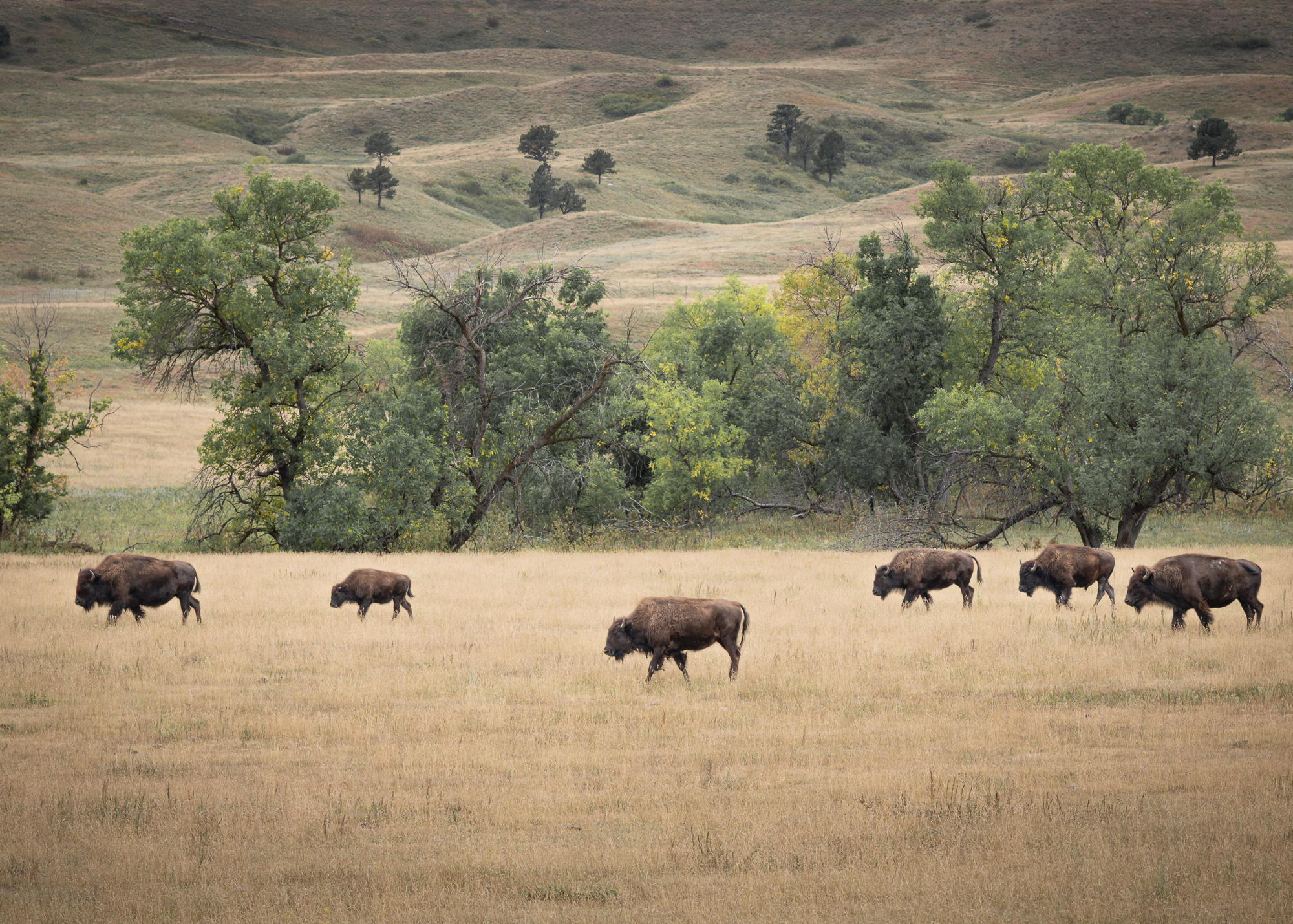
Bison drift across the autumn prairies of Custer State Park in the Black Hills of South Dakota. Their scattered forms echoed by the pines in the distant hills, both are integral elements in the essence of this place.
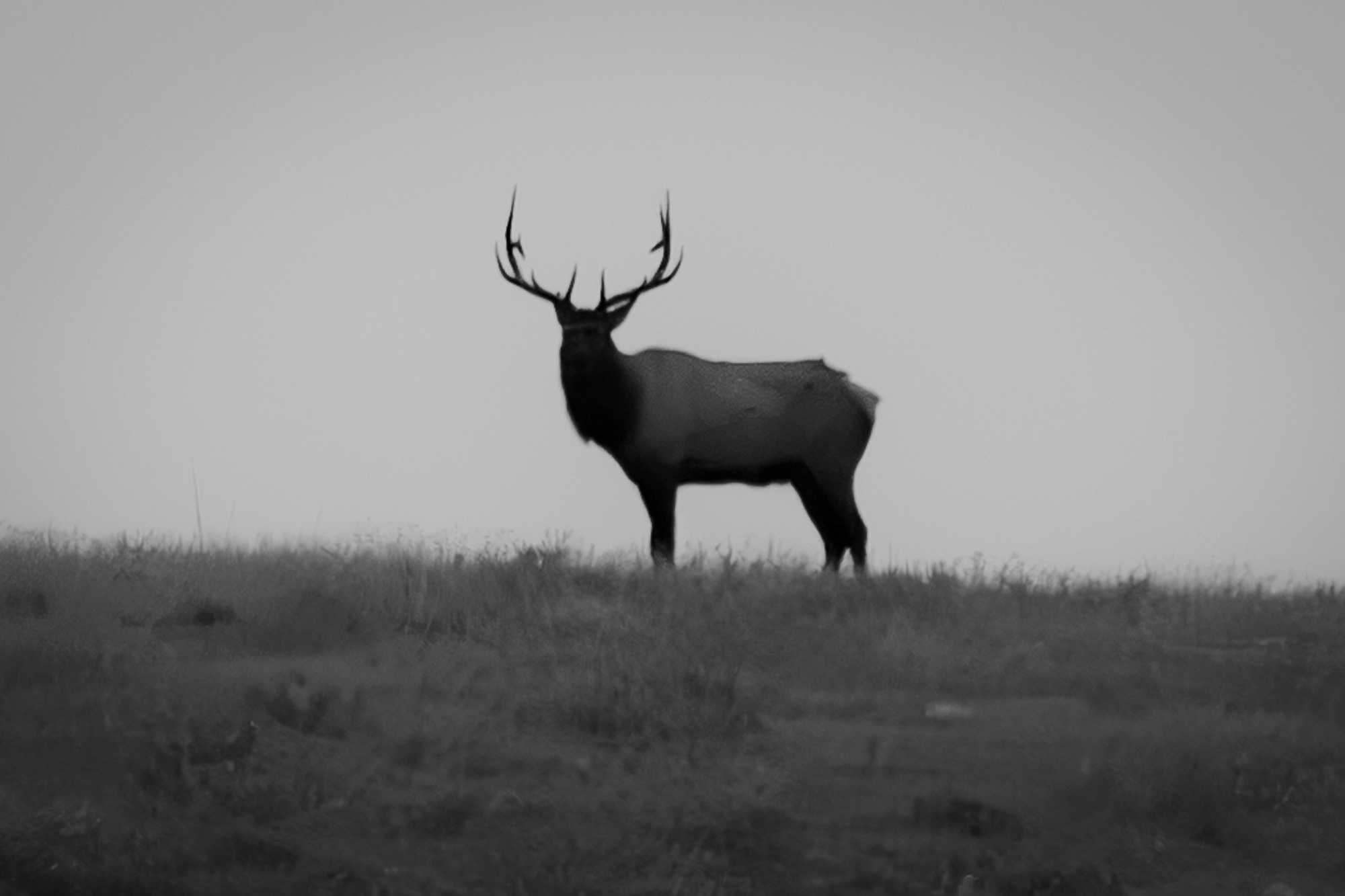
Long before Custer State Park was created in the Black Hills of South Dakota, elk were part of a landscape inhabited and hunted by Indigenous peoples for thousands of years. For the Lakota and other peoples of the region, large game provided food, hides, tools, and other necessities. Hunting followed seasonal patterns and cultural traditions that were very different from the exploitations that arrived with European-American settlers.
During the nineteenth century, elk were killed in unconscionable numbers by market and sport hunters. The results were devastating. In just a few decades, wild elk had completely disappeared from South Dakota.
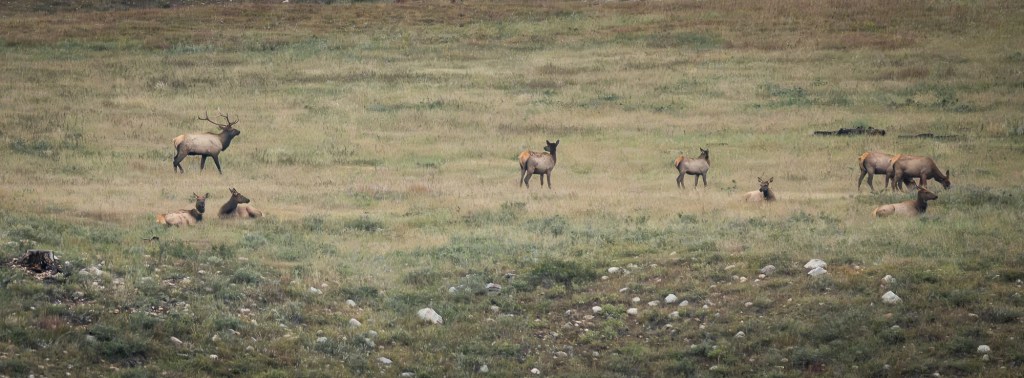
Beginning in the early twentieth century, elk were reintroduced to the Black Hills by state and federal conservation agencies.
Today, thousands of elk roam the Black Hills. The herd is maintained through habitat conservation, wildlife studies, and carefully regulated hunting.
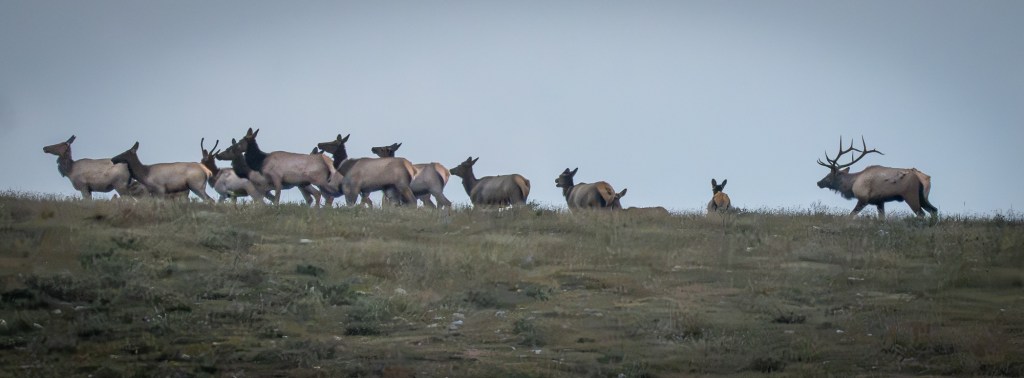
The elk in these photographs are part of a population that completely disappeared from this landscape. With over a century of restoration and management, this regal animal has returned to Custer State Park and the Black Hills of South Dakota. We are all the better for it.
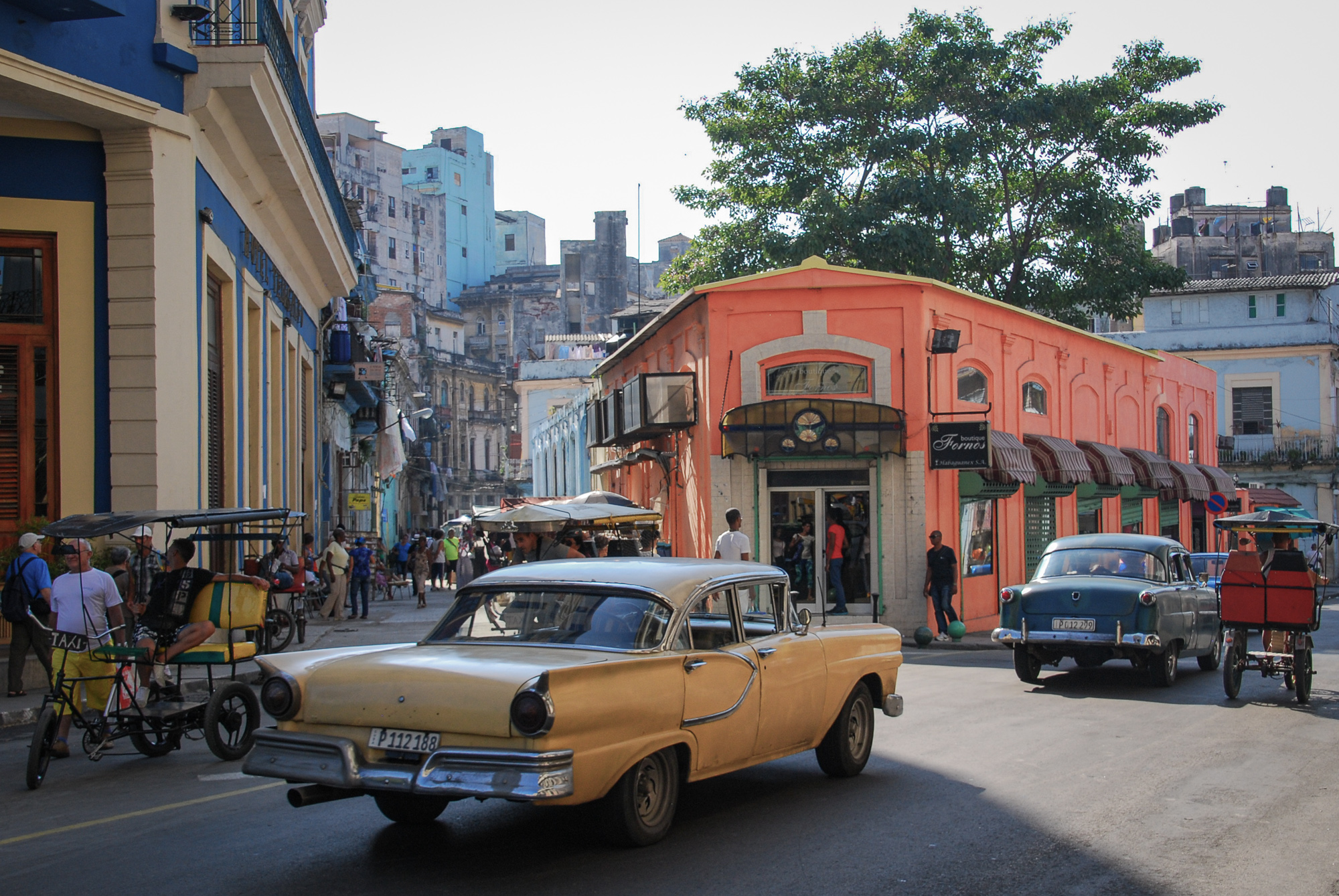

A cascade of colonial facades in colors of faded pastels. Laundry drying in the Caribbean sun, strung like banners above the street. Webs of electrical wires hover above vendors selling the essentials of everyday life in this storied city.
This crowded street in Old Havana is just a few blocks from the Prado, but it’s not carefully arranged for the visitor. No tours down this narrow street.
There’s no hurry. The pace here is a stroll. Salsa music flows into the street from an open door, mixing with the warm, spicy aromas of Cuban food. Another afternoon in Old Havana.
After making the rather lyrical image above, I made my way across the street, heading back to where I was staying in Old Havana.
I stopped at the corner and turned around to absorb everything from the scene I had just left. And there I was again – a lanky gringo with a camera, waiting for the pieces to come together.
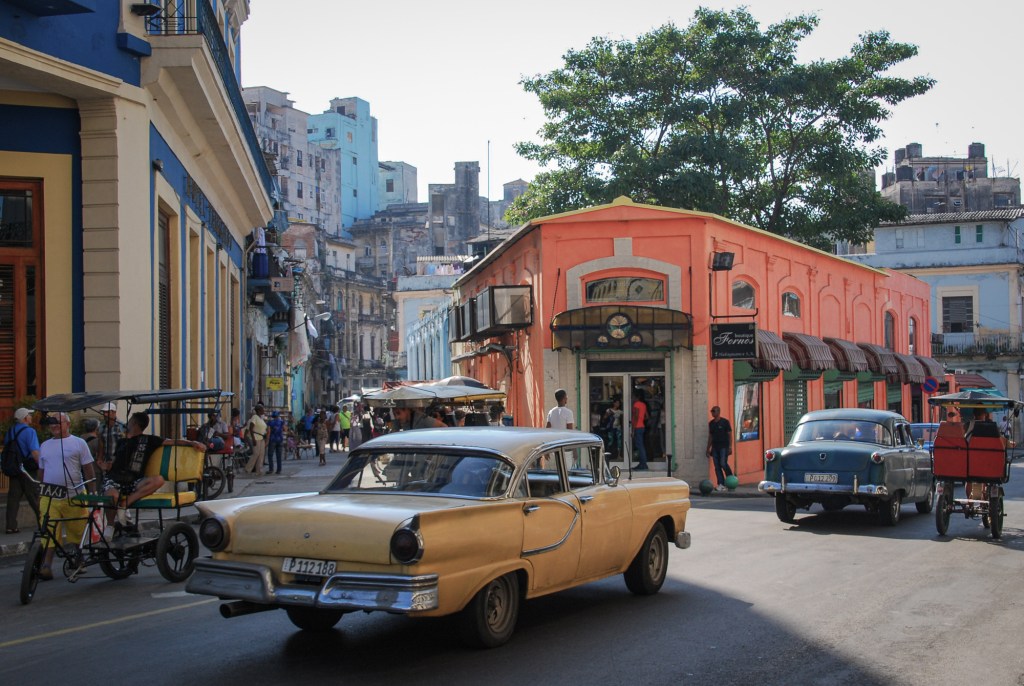
Vintage American cars and pedicabs move through an intersection as everyday life spills from a narrow street in La Habana Vieja.
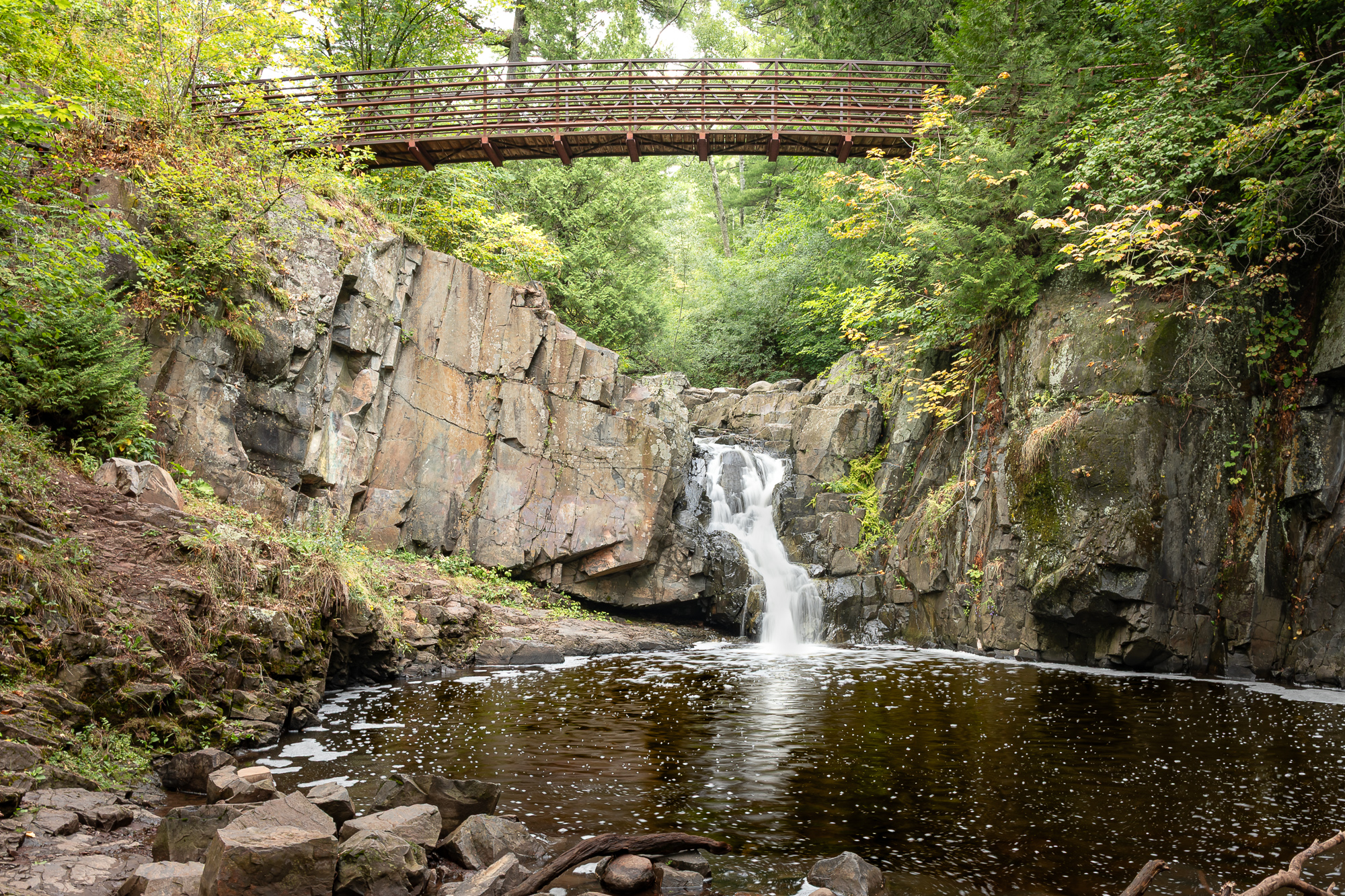
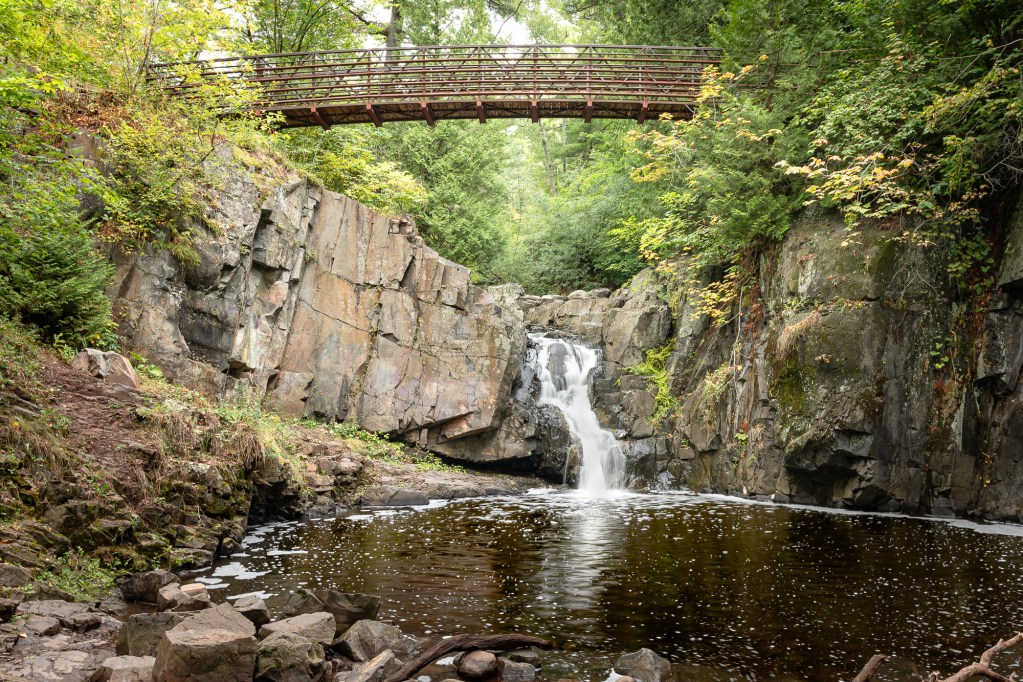
Chester Creek Falls beneath the footbridge in Chester Park, Duluth, Minnesota.
Last Fall I was hiking in Duluth, Minnesota and came upon this site. I scrambled down the steep trail on the left, then rock-hopped my way to the middle of the stream and snapped a quick photo with my iPhone (it was all I had at the time). I made a mental note to return with a proper camera. Well, I checked that reminder off this past weekend.
The first hints of autumn are settling into the gorge. I plan to return in a few weeks and make another image with the gorge in full autumn splendor. Stay tuned!
Nikon Z6lll paired with the Nikkor Z 24-120mm f/4 S | ISO: 64 | Focal Length: 27mm | Exposure: 1/4 sec at f/18.
Field Notes:
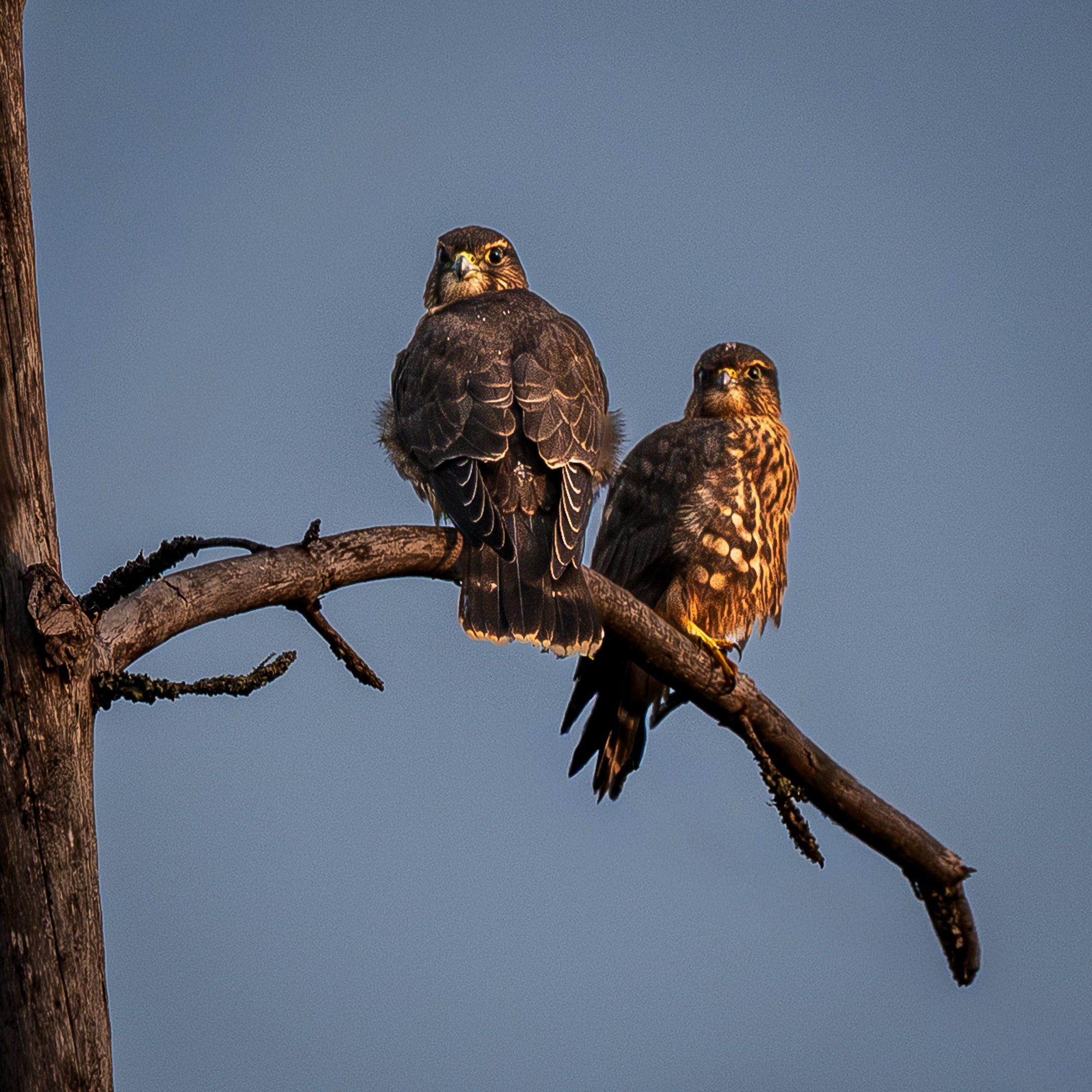
Up with the sun. I stepped out of our little cabin on Minnesota’s North Shore, both hands wrapped around a freshly brewed coffee. Steam rose from the mug and disappeared into the damp morning air. A pair of Herring Gulls called out as they lifted from the shimmering surface of Lake Superior.
Movement from the corner of my eye. A crow weaving through the pine branches. It was going to cross right in front of me.
Suddenly, another bird materialized out of nowhere and intercepted the crow in midair. Both birds pulled up for a split second before veering off in opposite directions.
And in that instant, I met the little invader’s gaze as his attention shifted from the crow to me.
Piercing black eyes, framed in gold.
I just stood there holding the coffee, eyes fixed on an empty sky.
“What just happened?” I muttered.
Then another question.
“Why wasn’t I holding a camera instead of this mug of coffee?”
It would have been impossible to photograph such a fleeting encounter anyway. But I had witnessed it with my own eyes, so into the memory banks it went.
From the tops of the pine trees behind the cabin came a bustle of shrill bird calls.
“Could this be my bird?” I wondered.
I set the coffee down, reached for my phone, opened the bird identification app* and started recording. Two birds were identified by their calls: American Kestrel and Merlin. Both falcons. But it was the Merlin’s call that appeared again and again.
Now the camera!
I scrambled into the cabin, ditched the phone and opened the camera case. I wrestled the long lens onto the camera,* slid into my slippers and headed back out the door.
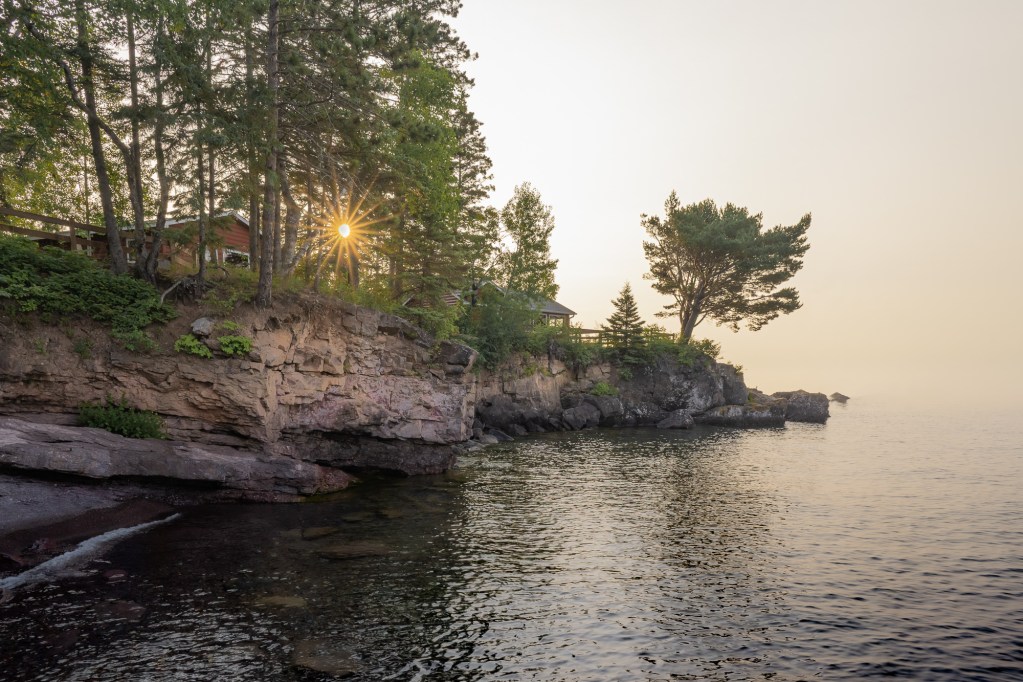
There they were.
Just a few steps from the cabin, a pair of Merlins sat side by side on the dead branch of a pine tree, their dark brown and cream feathers glowing in the morning sun.
And those unmistakable eyes, ringed in gold.
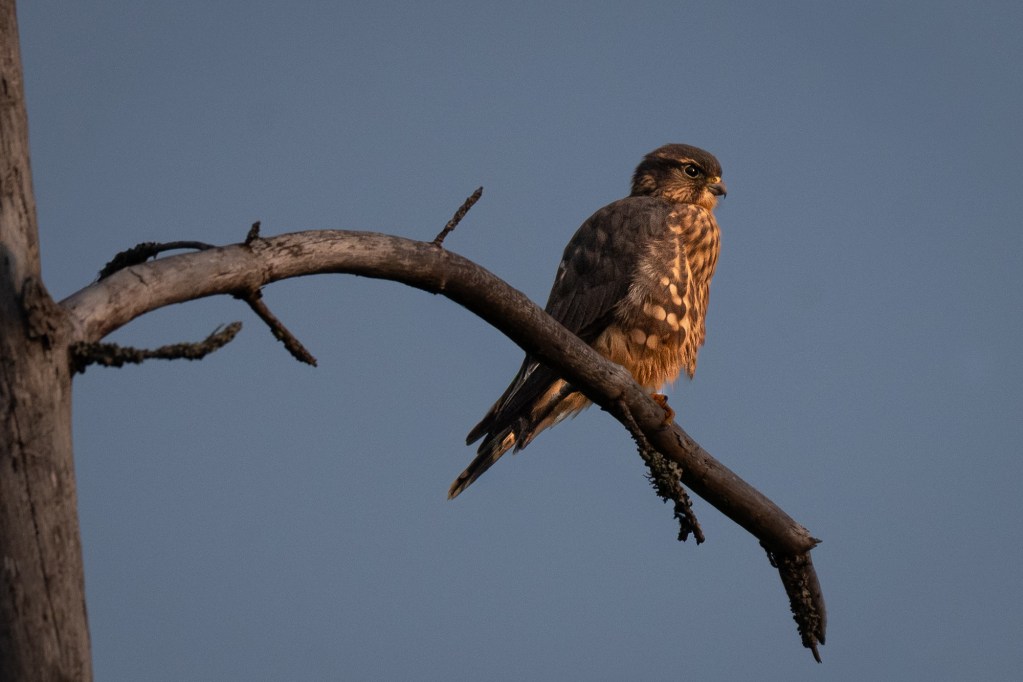
* Coincidently, the bird identification app is named, Merlin.
* Not the first time I wrestled with the long lens for a bird photograph. See the post about the Barred Owl by clicking HERE.
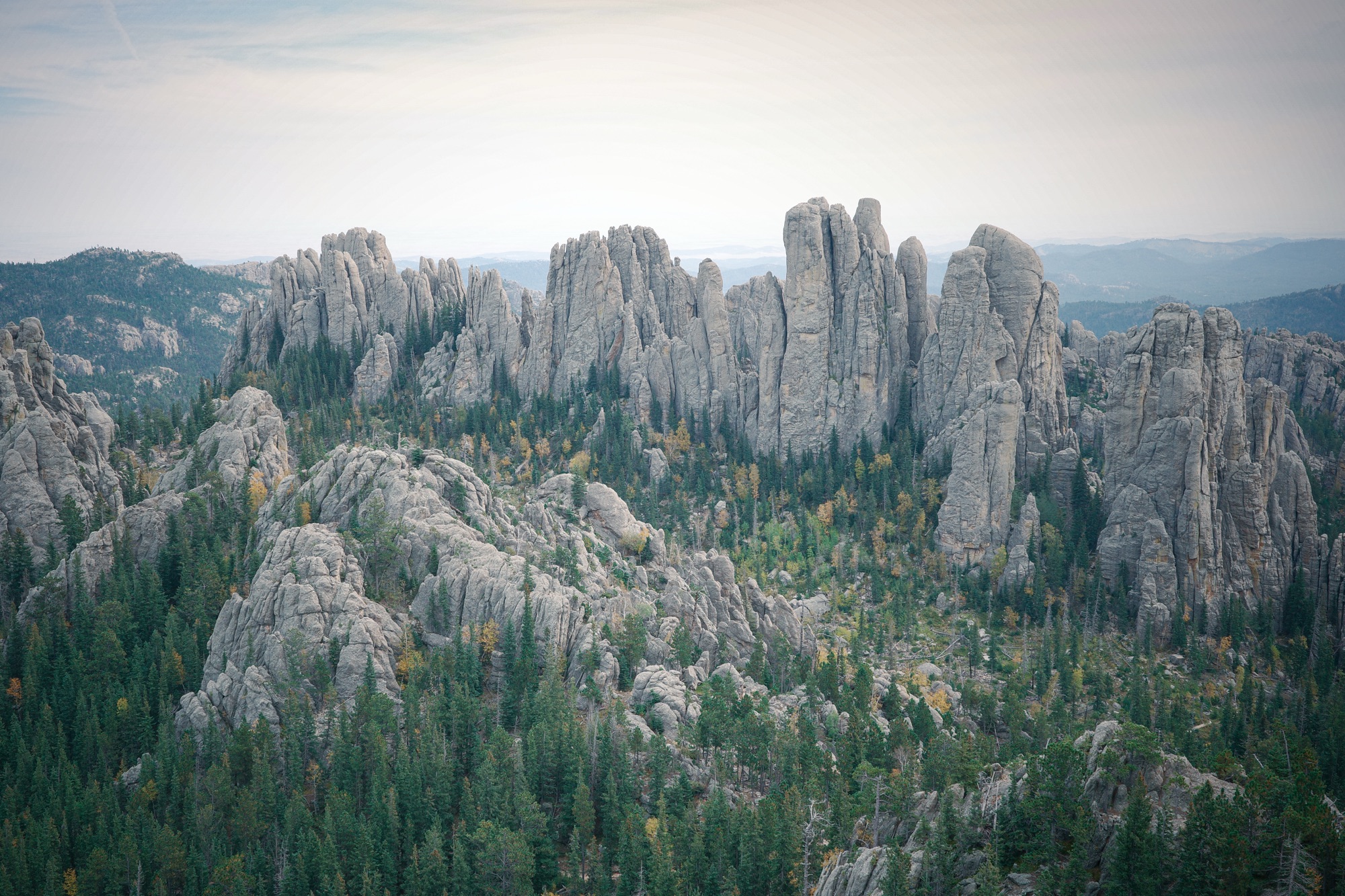
In just over a month, I will be returning to Custer State Park in the Black Hills of South Dakota. The previous trip was one of the highlights of my travels in 2025.
Last year, I used a Nikon Zfc paired with a Nikkor 50-250mm/f4.5-6.3 VR lens. It was my introduction to mirrorless cameras and I loved the retro-analog style of this camera.
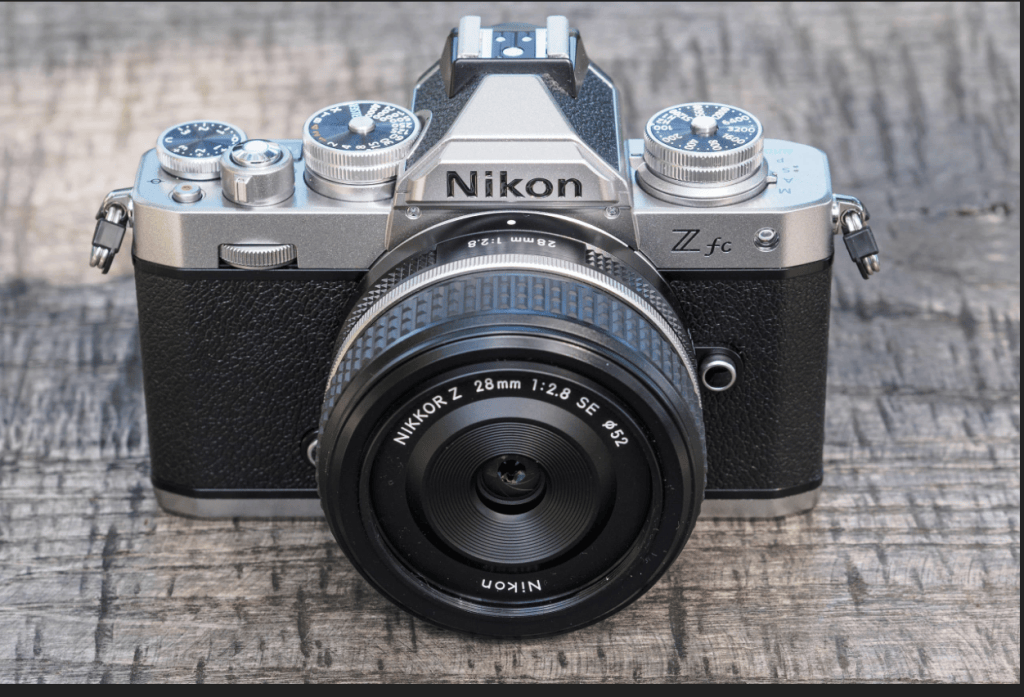
My kit this year will be different. I traded in the Nikon Zfc, a Nikon D7200, and all DX lenses. And I acquired two new full-frame, mirrorless cameras and accompanying lenses.
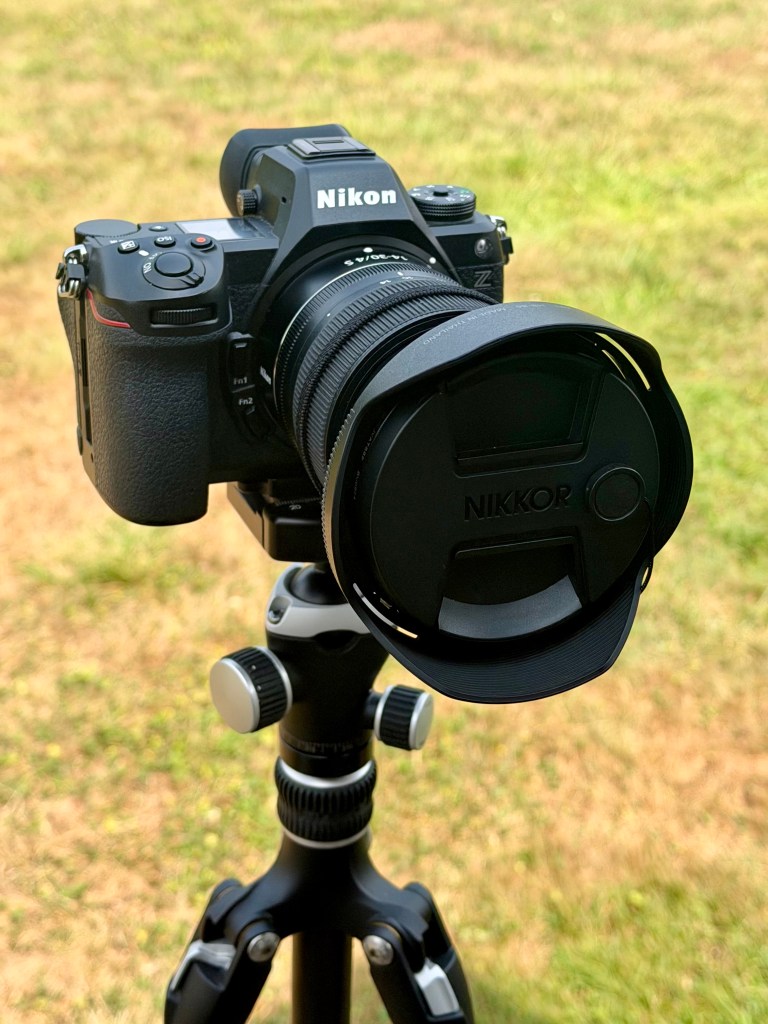
First is the Nikon Z6lll. It is the designated tripod camera. It’s paired with a Nikkor 24-120mm/f4 S or a Nikkor 14-30mm/f4 S. Included in the kit was a Nikkor 40mm/f2 prime. I sprung for the Nikkor 180-600mm/f5.6-6.3 VR Super-Telephoto Zoom Lens. I thought about the Elk at Custer State Park when purchasing this lens. And I’ve used it to take a number of wildlife shots throughout this summer.

The second camera is definitely a nod to the retro Zfc. It is the Nikon Zf. I call this my walking around camera. Keeping with the retro-analog style, it is paired with a Voigtlander Nokton 40mm/f1.2 with manual focus and an aperture ring. It has an all-metal housing that matches the metal body of the Zf. There is also a Nikkor 28mm/f2 prime lens for this camera.
Because these cameras are both Nikon Z’s, the lenses are interchangeable.
And yes, I still have the little Ricoh GRlllx pocket camera.
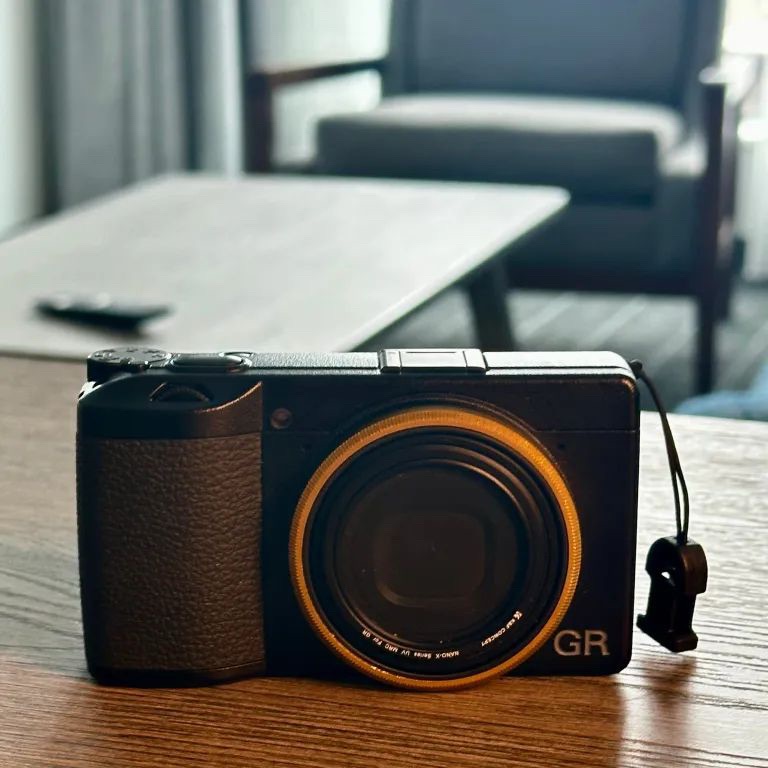

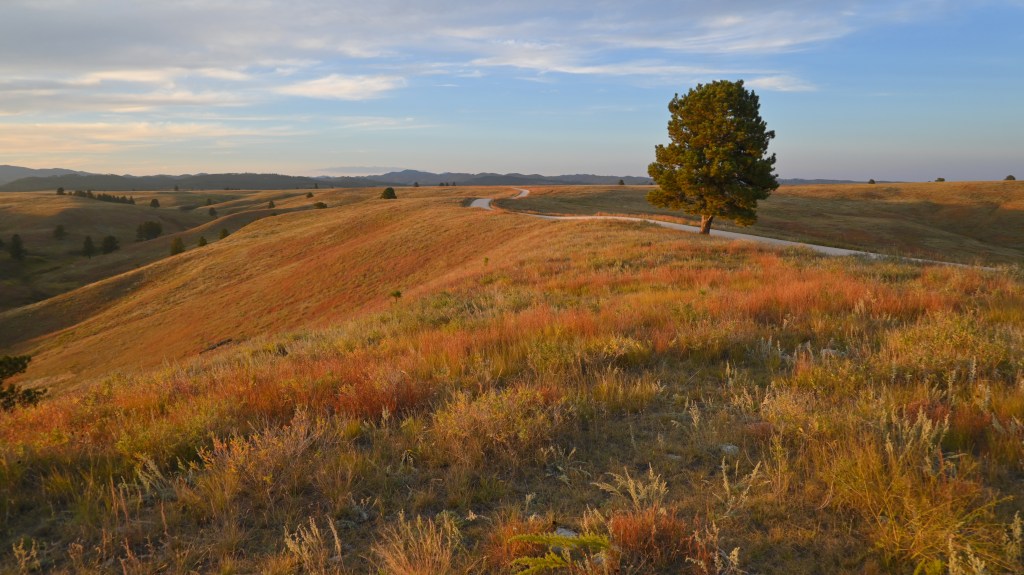
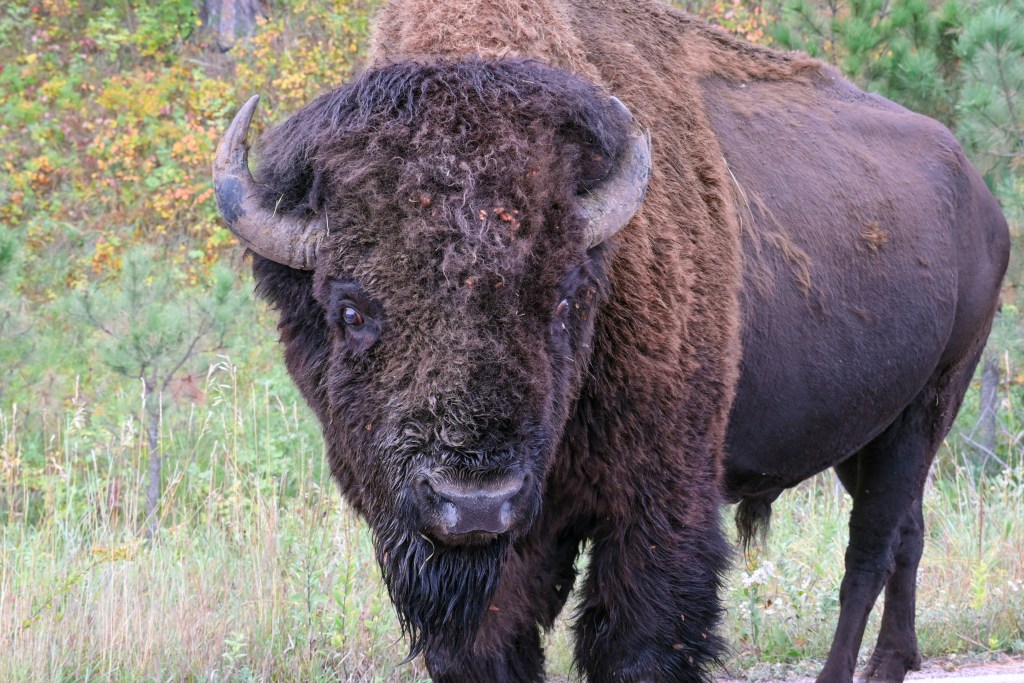


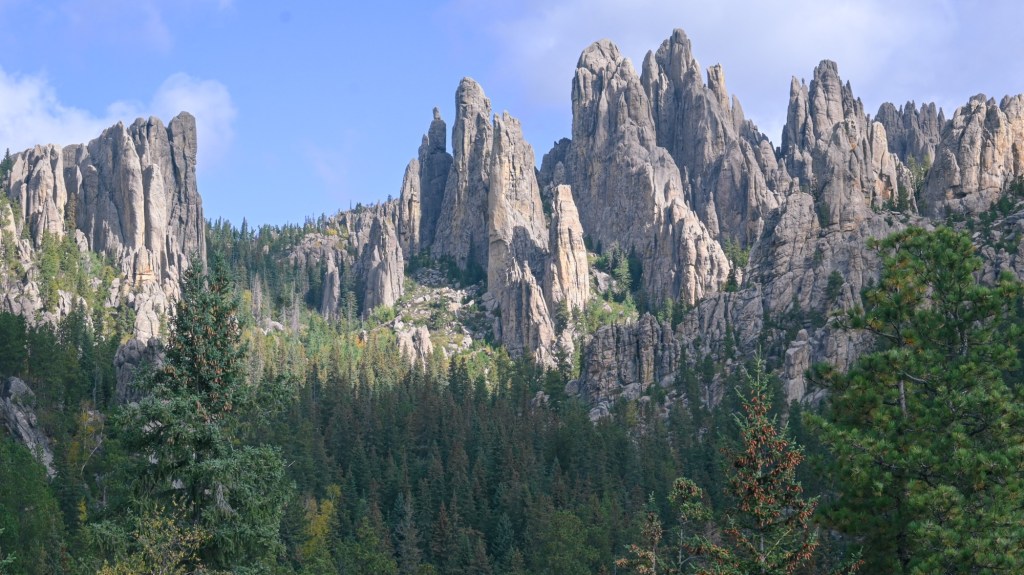
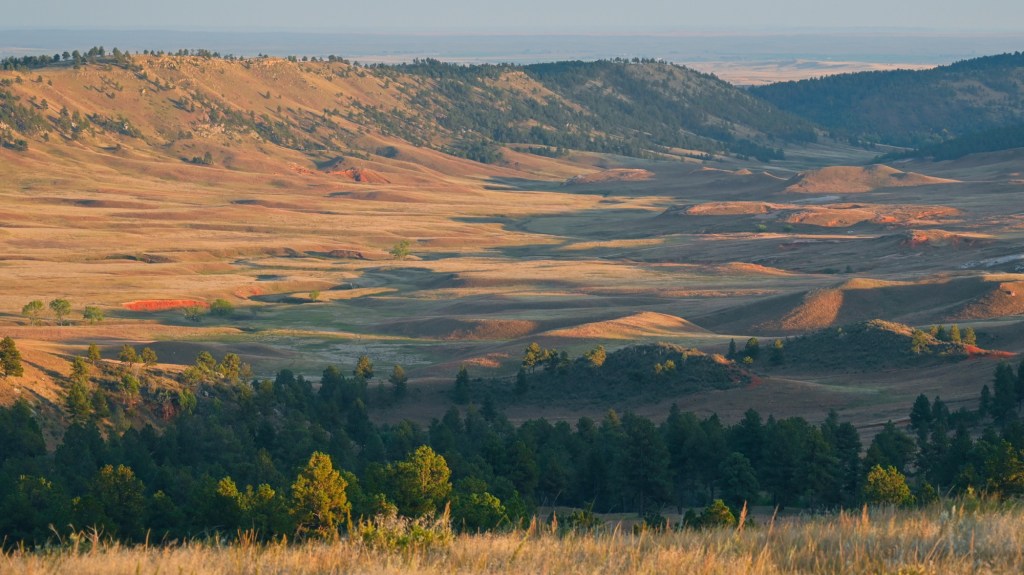

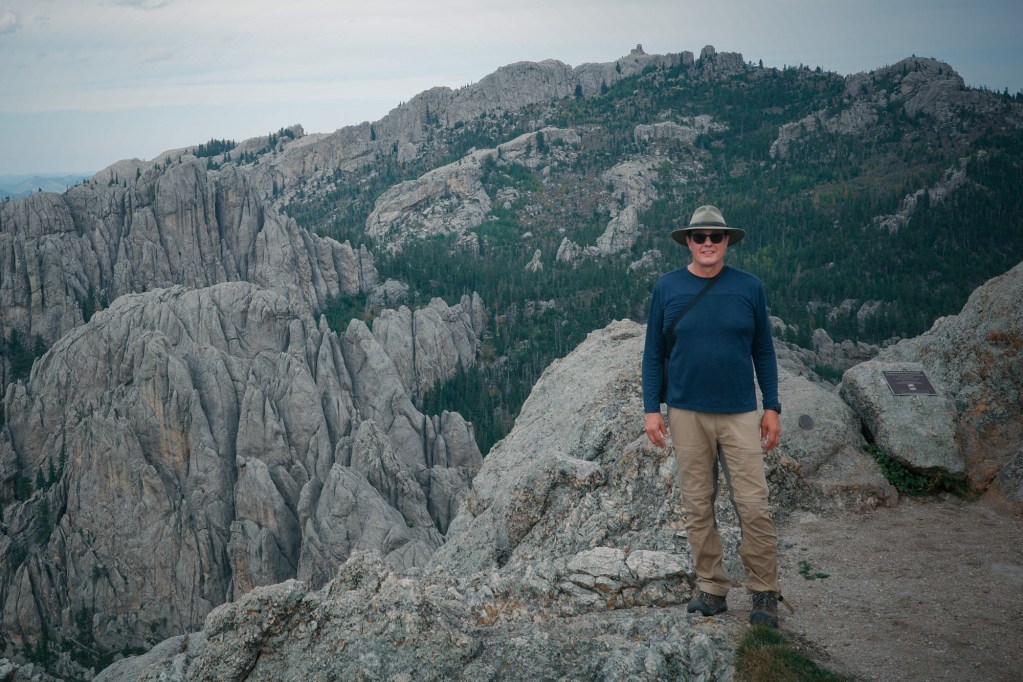
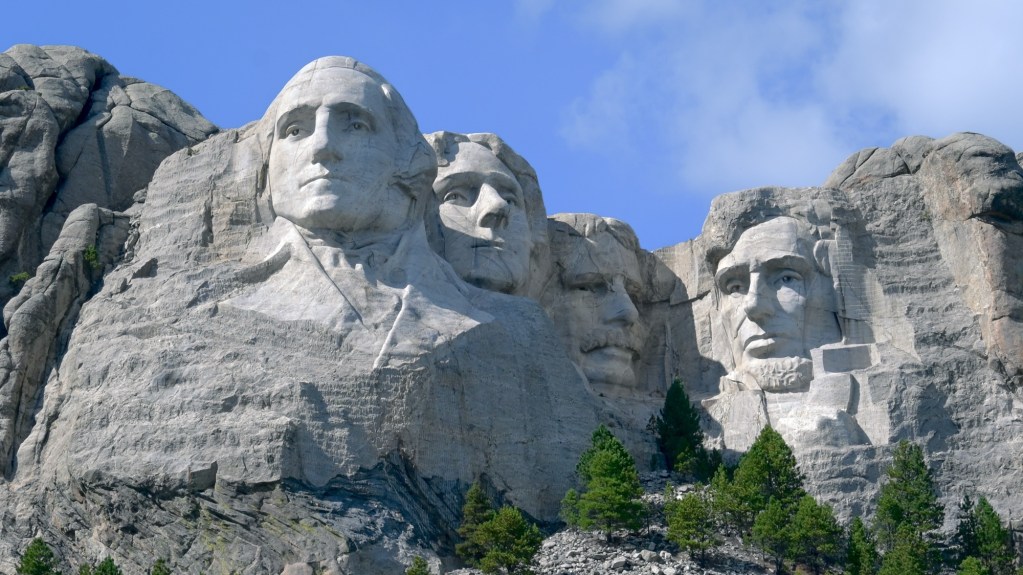

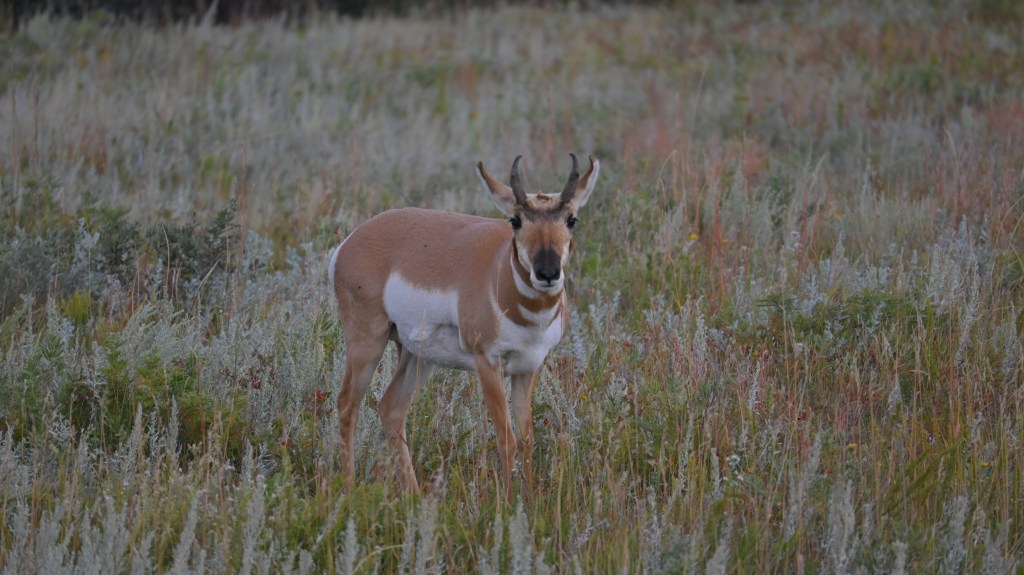
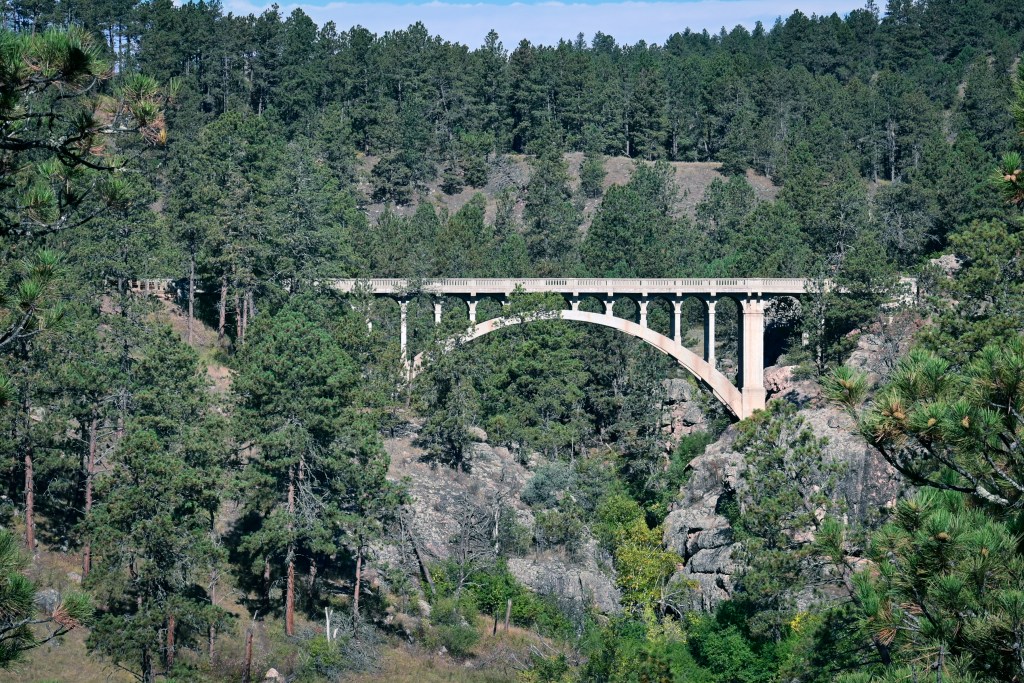
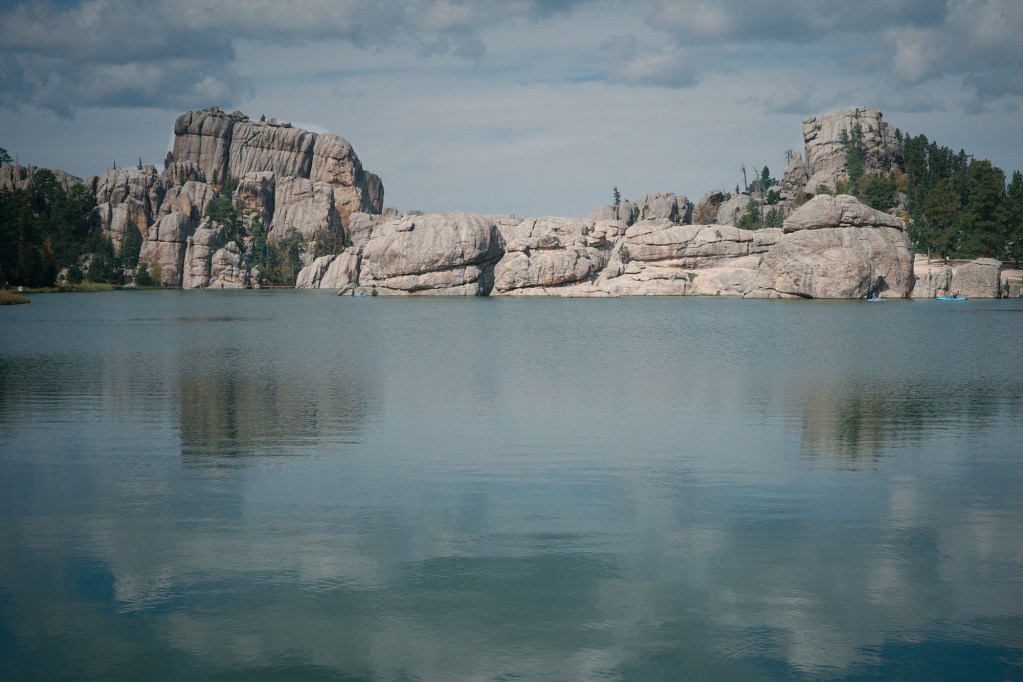

Stay tuned to find out how the new cameras and lenses (and photographer) perform in the park this year!
Field Notes:
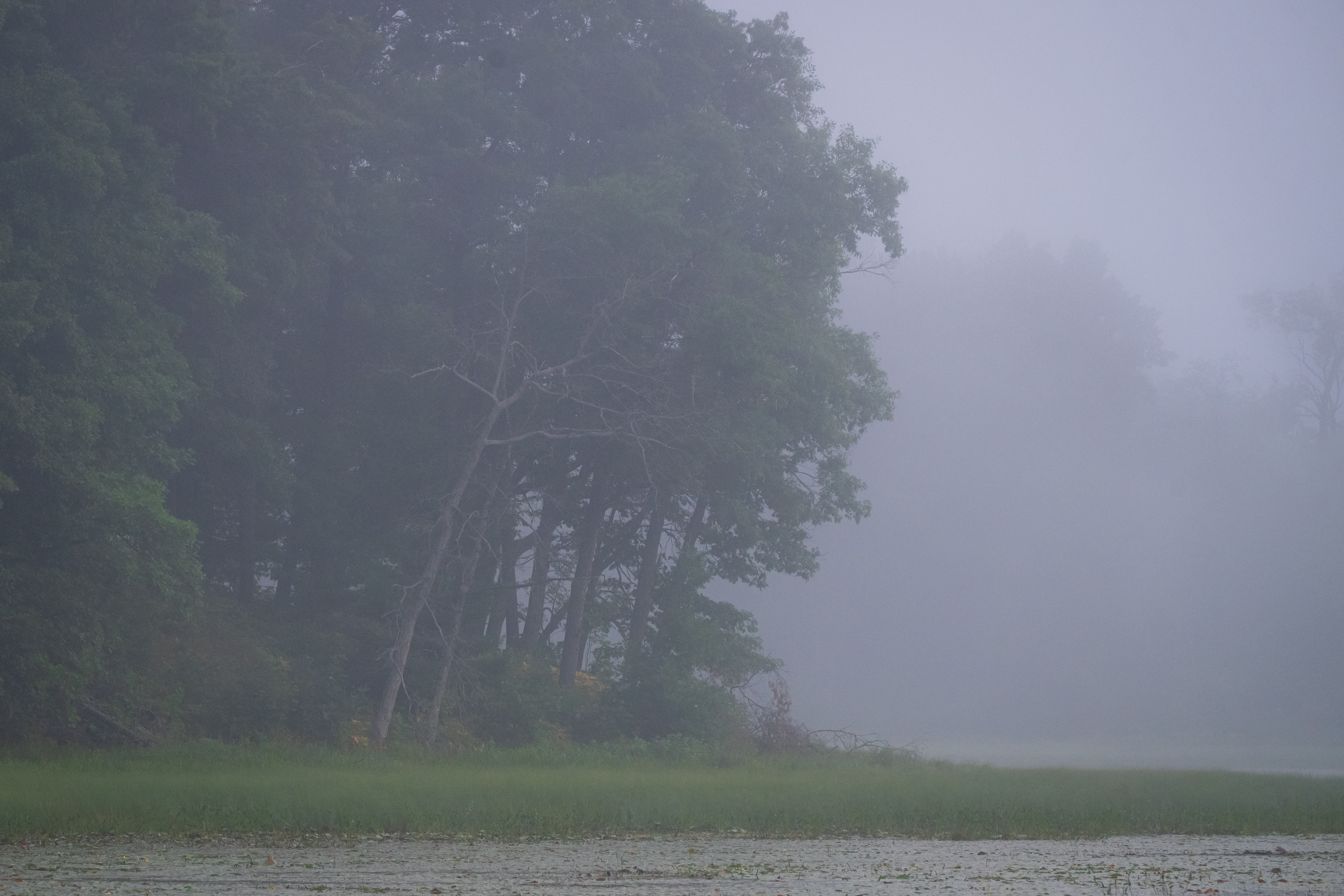
I woke up early. A fresh breeze drifted into the bedroom through an open window. Mist lay over the meadow that serves as our front yard. Across the road, the little lake was shrouded in fog.
On the front porch with a mug of coffee, I noticed how quiet the morning was. Even the local birds hadn’t arrived yet to perch on empty shepherd hooks and complain that the feeders weren’t out.
Suddenly, from the direction of the little lake came a fog-piercing, prehistoric croak that shattered the morning silence.
Sandhill Cranes.
I knew where they would be. Stalking along the edge between between open water and the grasses that form the broad marsh surrounding the lake.
I abandoned the mug of coffee. Still in a T-shirt and sweatpants, I pulled on muck boots, grabbed the camera and long lens, and headed out the front door.
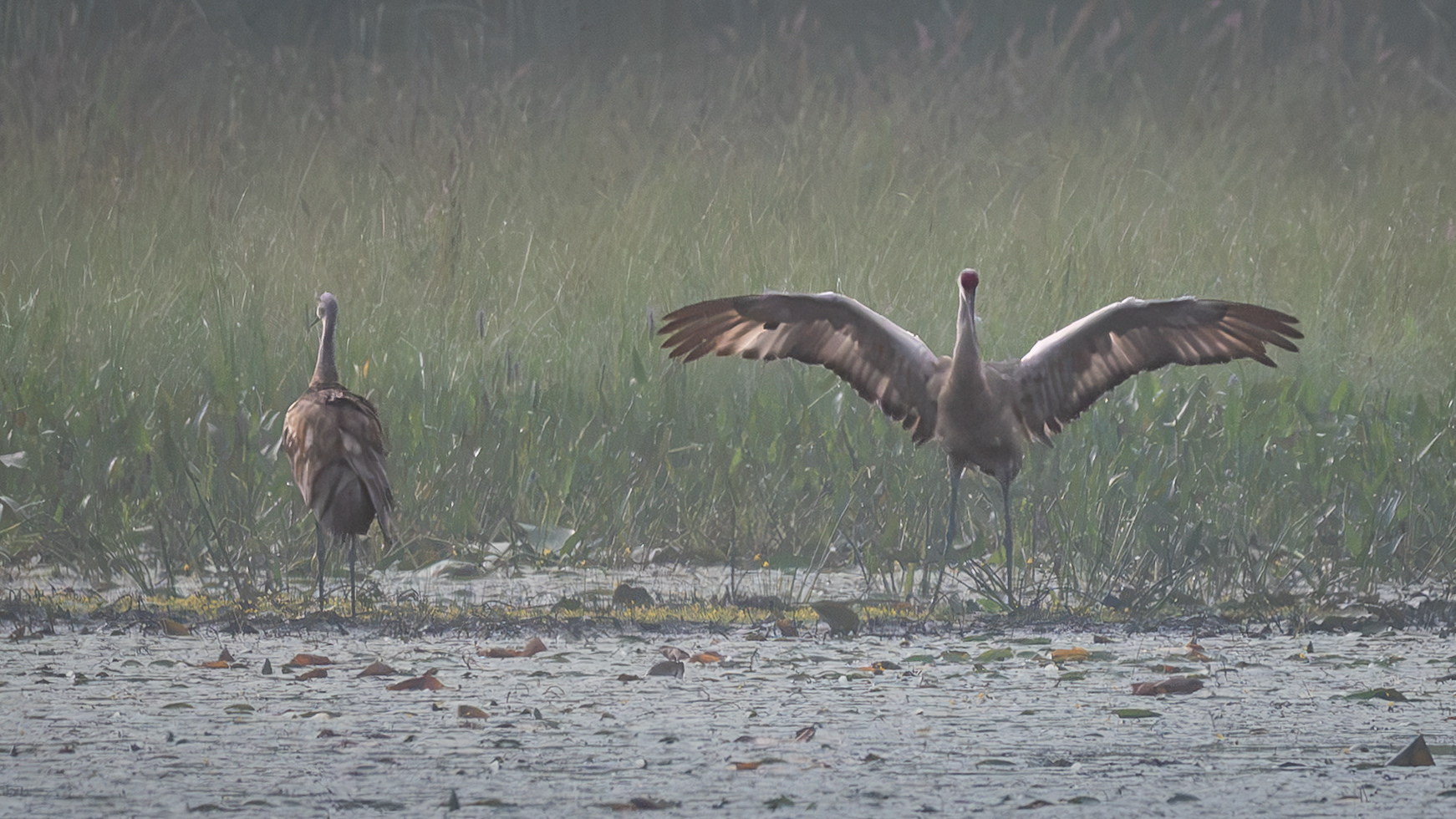
Using the telephoto lens like a pair of binoculars, I scanned the veiled shoreline. Eventually, it was the flapping of enormous wings that gave their position away.

Hidden on the opposite shore, I waited motionless. Nearly half an hour passed before the crane lifted its wings once again.
Then the strangest thing happened. The crane turned to look directly at me. It reached out its great wings and posed motionless- as if to say, “Here you go. Is this what you came for?”

The little lake across the road wasn’t finished rewarding this early riser. Without moving, I watched a Great Blue Heron ease out of the shoreline grasses.

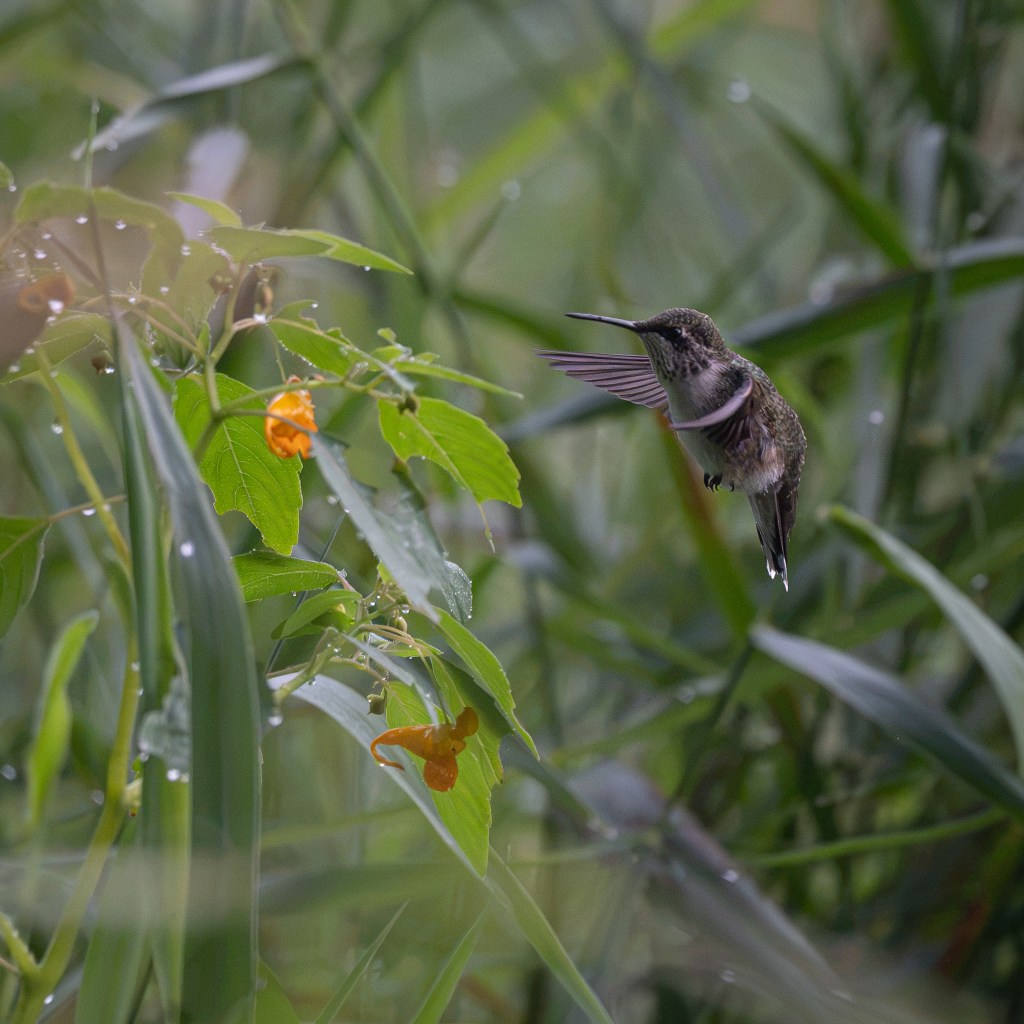
Farther back in the marsh, where grasses give way to the forested hillside, a female Ruby-throated Hummingbird zigzagged among dew-laden flowers as the fog slowly lifted.
As the gauzy sun began to warm the marsh, I quietly climbed out of the glacial pothole that holds Little Lake.
Back on the front porch with a fresh mug of coffee, I was buzzing with gratitude over the foggy morning photo-session on the little lake across the road.
Suddenly, the Sandhill Cranes sang out in their coarse duet. But this time it was to announce their departing flight from the marsh. I caught only glimpses of them through the trees as they disappeared into the rising sun. Somewhere in the back of my mind, another photograph was already beginning to take shape.
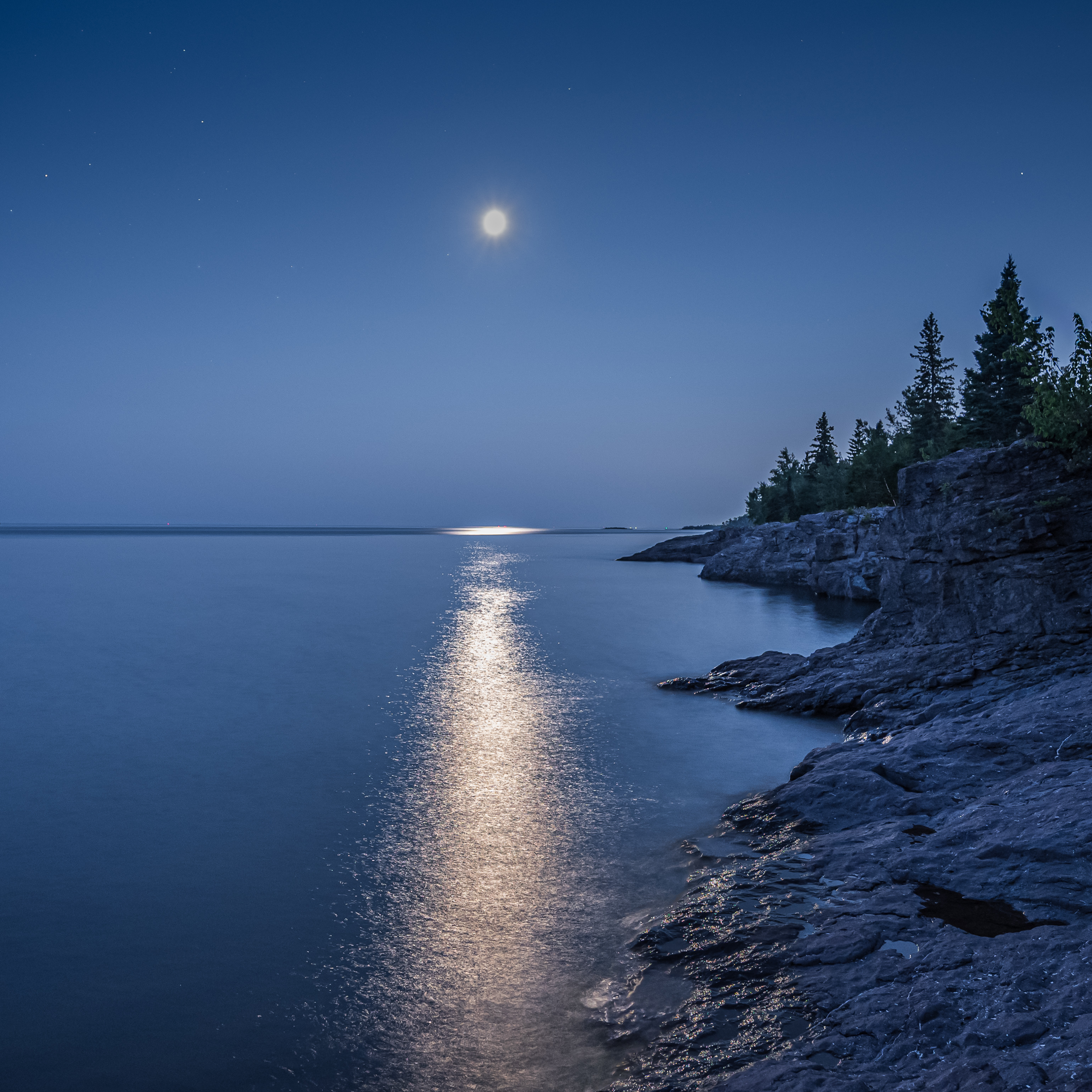
I visited this stretch of shoreline earlier that afternoon. I walked the basalt ledges looking for possible compositions, where the rocks gently dipped into clear Lake Superior water. Before heading back to our cabin, I checked the moon’s path on the app. If the forecast held, I knew when and how its reflection would eventually interact with this shoreline.
So after supper I returned, early enough to not be in a hurry. The tripod was set where I wanted it. I composed the image while there was still twilight and carefully set manual focus before darkness settled over the scene.
Then I poured a cup of coffee from the thermos. And for quite some time I hardly touched the camera.
Lake Superior was settling in for the night. A few gulls and a Loon hurried past silently on their way to sheltered waters. Cool air drifted off the lake, mingling with the warmth that still lingered among the rocks and pines.
When it felt like the right moment, when air, water, light and stone seemed in harmony, I made the first image.

I had set up on this basalt shoreline with one photograph in mind. And I liked it.
But before packing up, I looked around. Something I’ve learned to do over the years of landscape and travel photography. Another image was waiting in the opposite direction. I’ve learned not to become so attached to the photograph I planned that I miss the one the universe is offering instead.
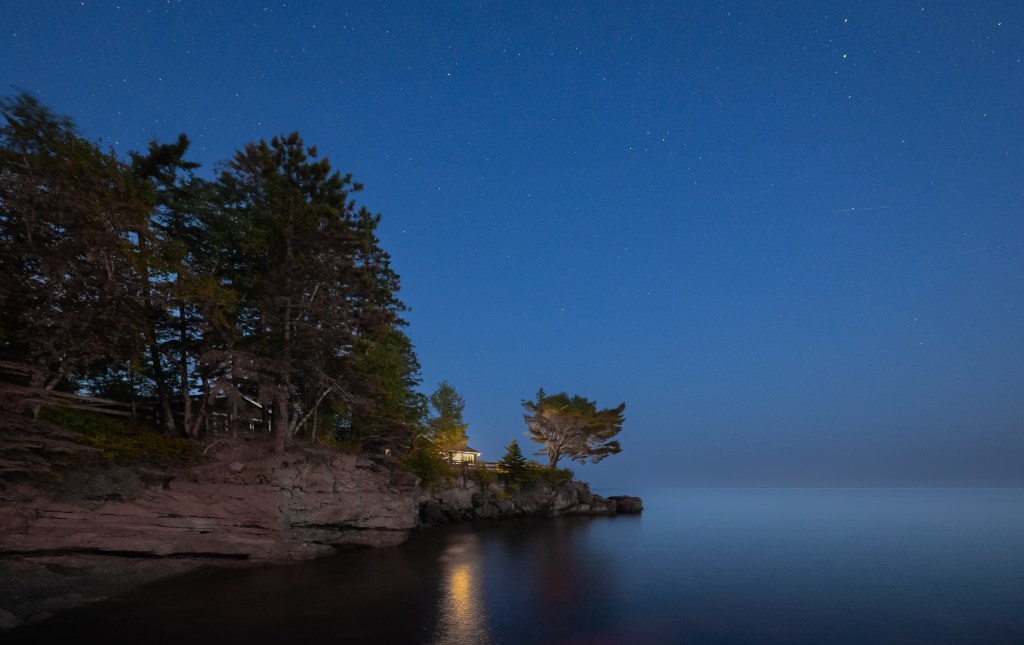
I recomposed the shot in both horizontal and vertical perspectives, mindful not to miss the sense of sublime that had settled over the little cove.
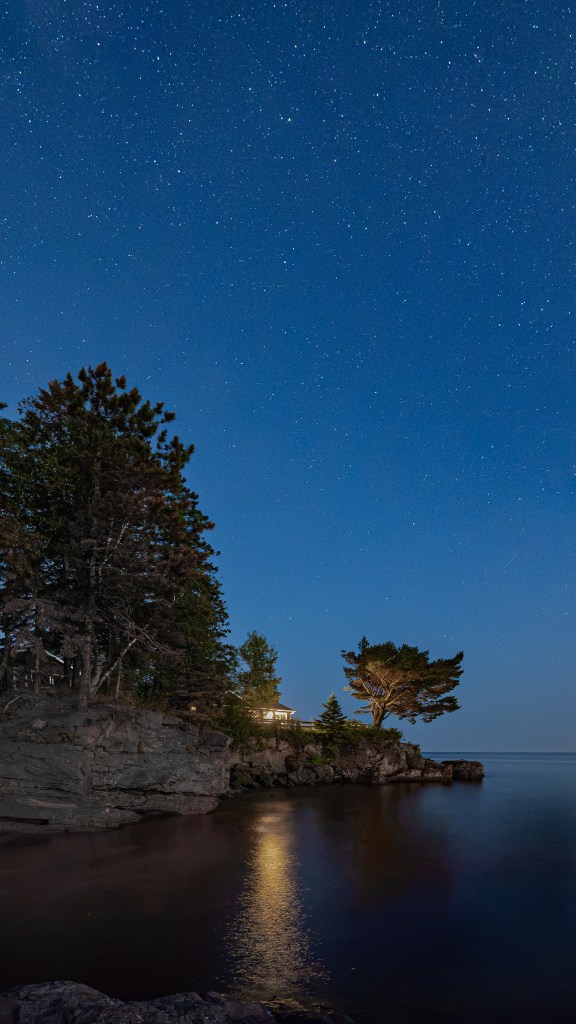
Stars were becoming more numerous now. On the tip of Breezy Point, the cabin’s lights glowed softly through pines, a warm beacon against the deepening blue of night.
About This Stay
I stayed at Breezy Point Cabins on Minnesota’s North Shore while making the photographs for this Field Notes essay. If you’re looking for a quiet place to experience Lake Superior, you can learn more here.
Breezy Point Cabins on Lake Superior
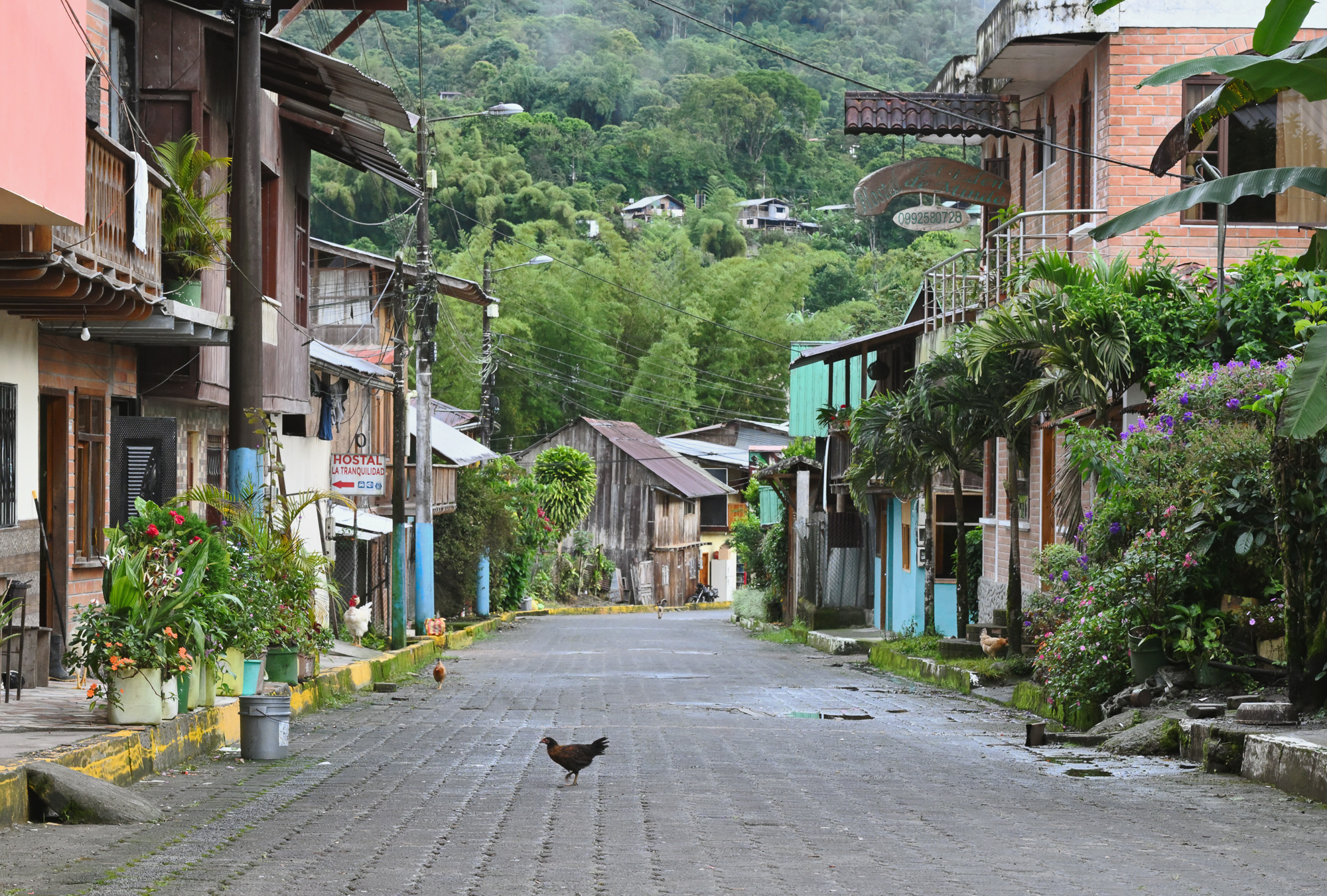
At six in the morning, before hummingbird photographers arrive and cafés open, Mindo belongs to the chickens and stray dogs.
I stand in the middle of the street with a cup of coffee brewed in the hostel’s kitchen and listen as the village awakens. Roosters crowing. A door opens then closes somewhere nearby. A faint scent of woodsmoke drifts through the damp air. The pavers are still wet and wisps of fog rise from the forest after the night’s rain.
A few chickens wander down the street to check out the lanky gringo just standing there.
There are moments
when everything makes perfect sense
viewed over
a cup of coffee

Gary Donaldson
“Travel is about the gorgeous feeling of teetering in the unknown.”
— Anthony Bourdain