In just over a month, I will be returning to Custer State Park in the Black Hills of South Dakota. The previous trip was one of the highlights of my travels in 2025.
Last year, I used a Nikon Zfc paired with a Nikkor 50-250mm/f4.5-6.3 VR lens. It was my introduction to mirrorless cameras and I loved the retro-analog style of this camera.
Image from the internet
My kit this year will be different. I traded in the Nikon Zfc, a Nikon D7200, and all DX lenses. And I acquired two new full-frame, mirrorless cameras and accompanying lenses.
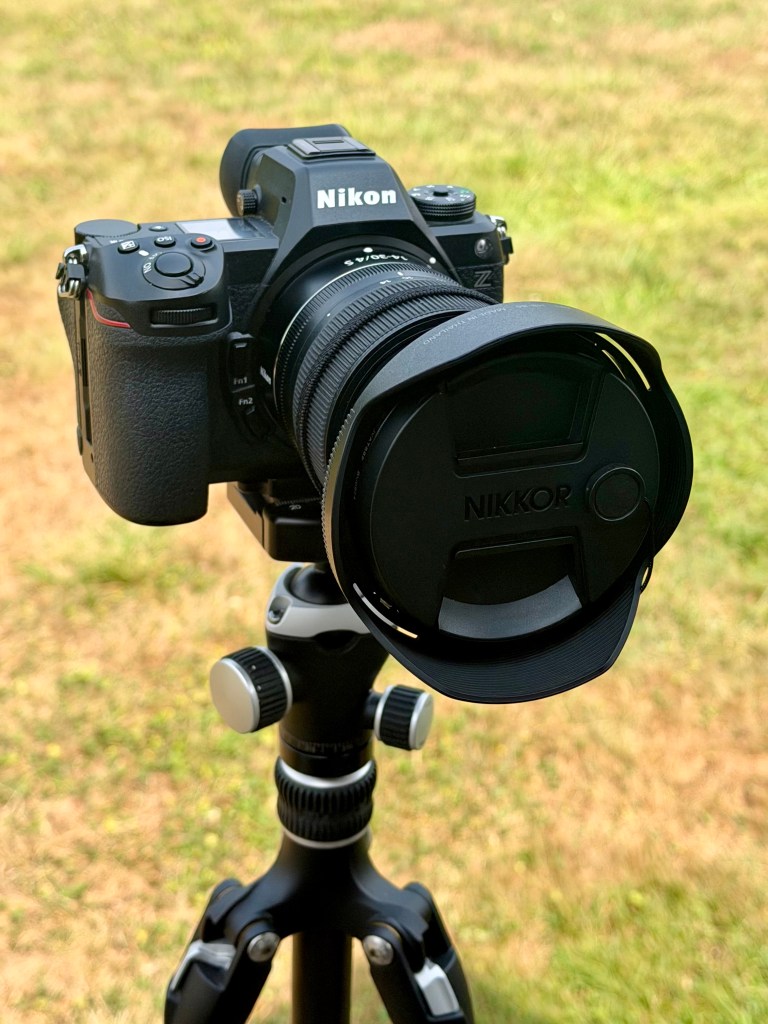
Nikon Z6lll
First is the Nikon Z6lll. It is the designated tripod camera. It’s paired with a Nikkor 24-120mm/f4 S or a Nikkor 14-30mm/f4 S. Included in the kit was a Nikkor 40mm/f2 prime. I sprung for the Nikkor 180-600mm/f5.6-6.3 VR Super-Telephoto Zoom Lens. I thought about the Elk at Custer State Park when purchasing this lens. And I’ve used it to take a number of wildlife shots throughout this summer.
Nikon Zf
The second camera is definitely a nod to the retro Zfc. It is the Nikon Zf. I call this my walking around camera. Keeping with the retro-analog style, it is paired with a Voigtlander Nokton 40mm/f1.2 with manual focus and an aperture ring. It has an all-metal housing that matches the metal body of the Zf. There is also a Nikkor 28mm/f2 prime lens for this camera.
Because these cameras are both Nikon Z’s, the lenses are interchangeable.
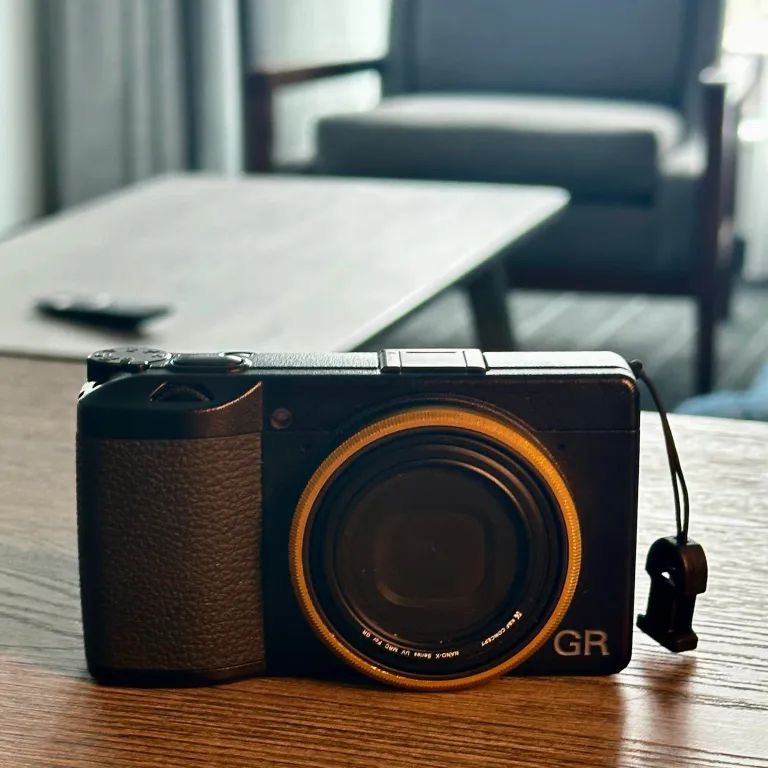
And yes, I still have the little Ricoh GRlllx pocket camera.
The Ricoh GR IIIx Camera
Curated Gallery from Last Year’s Trip to Custer State Park.
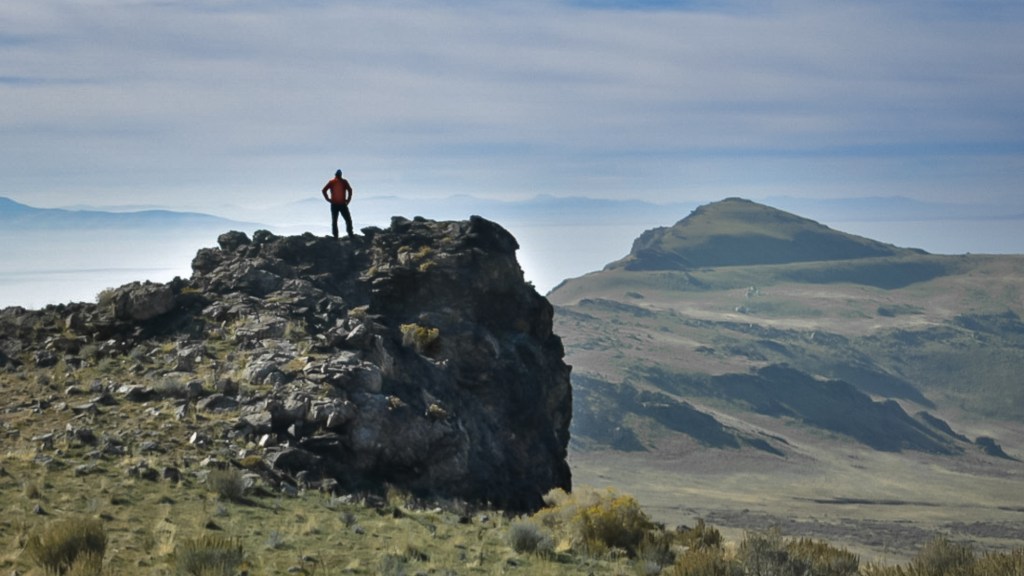
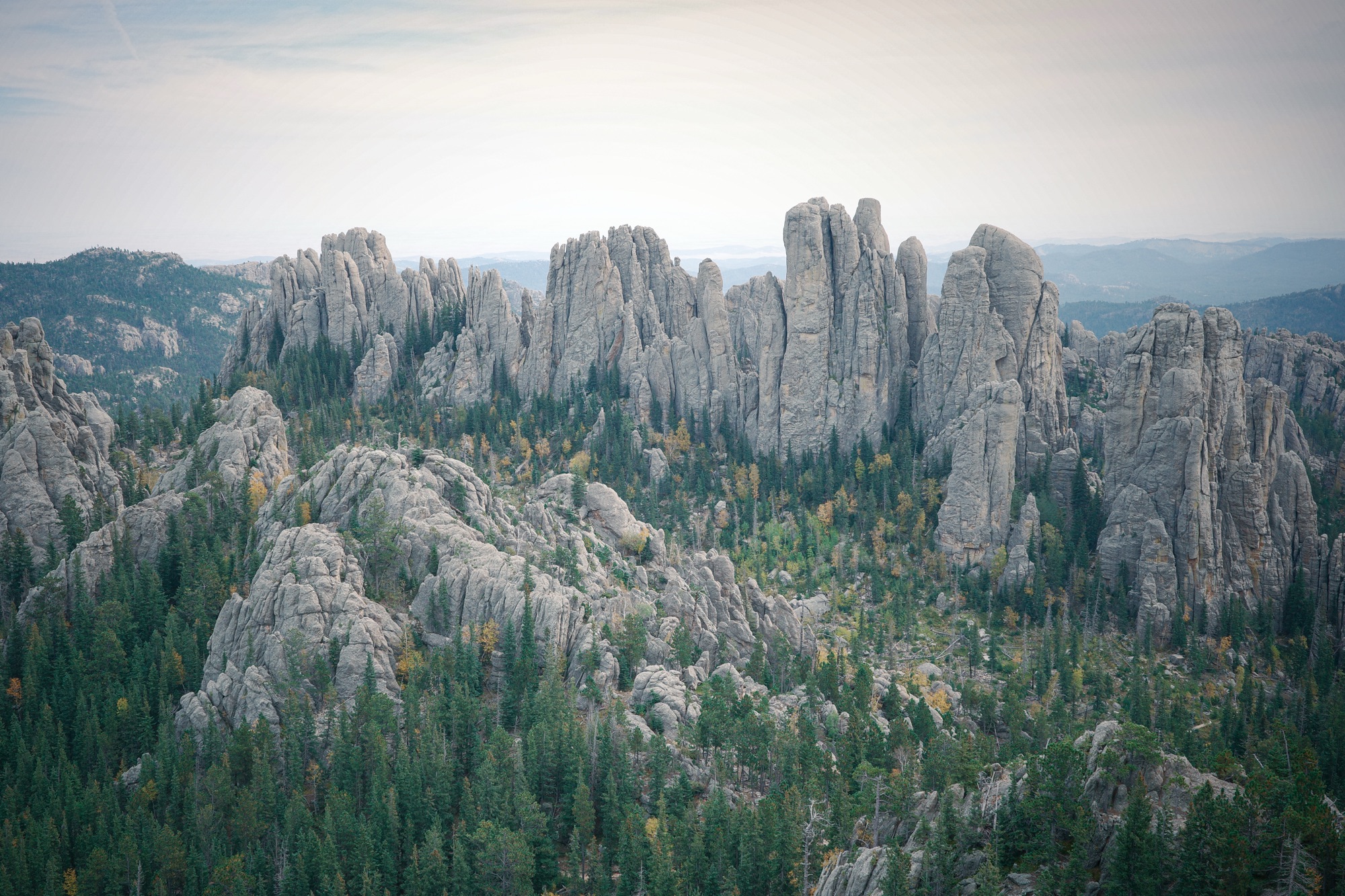
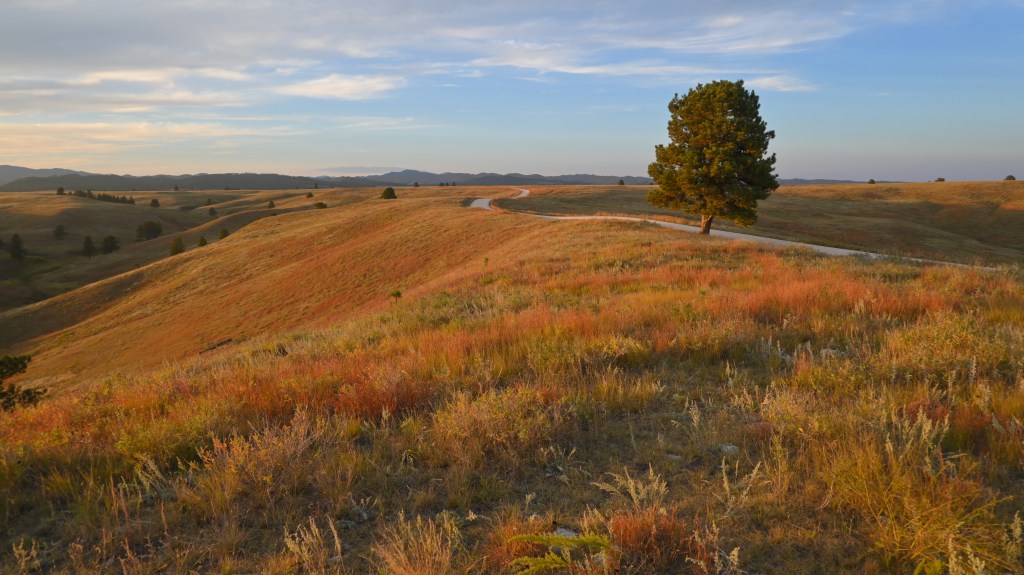
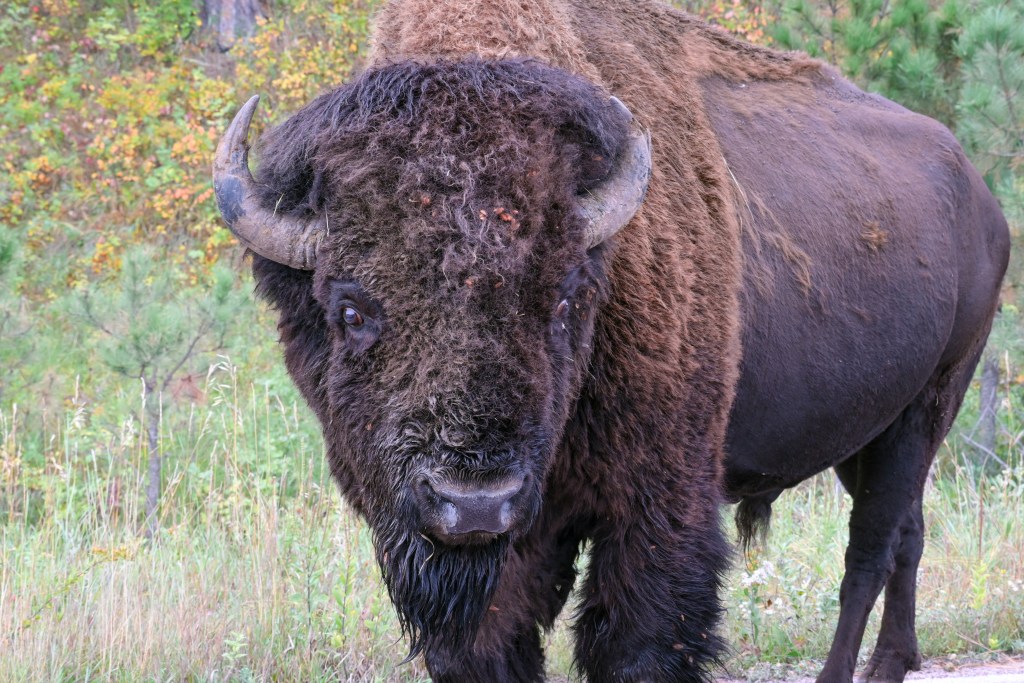
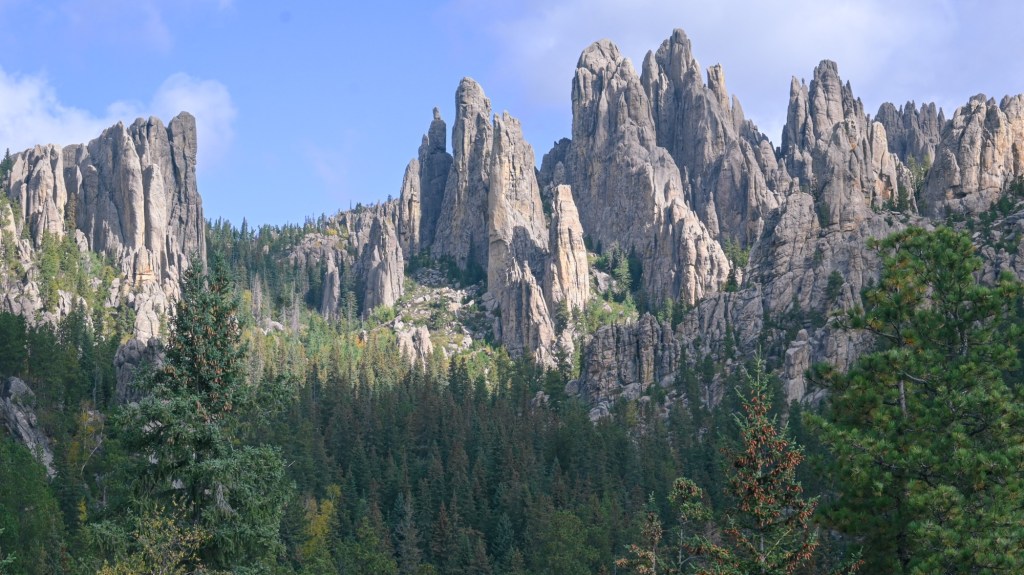
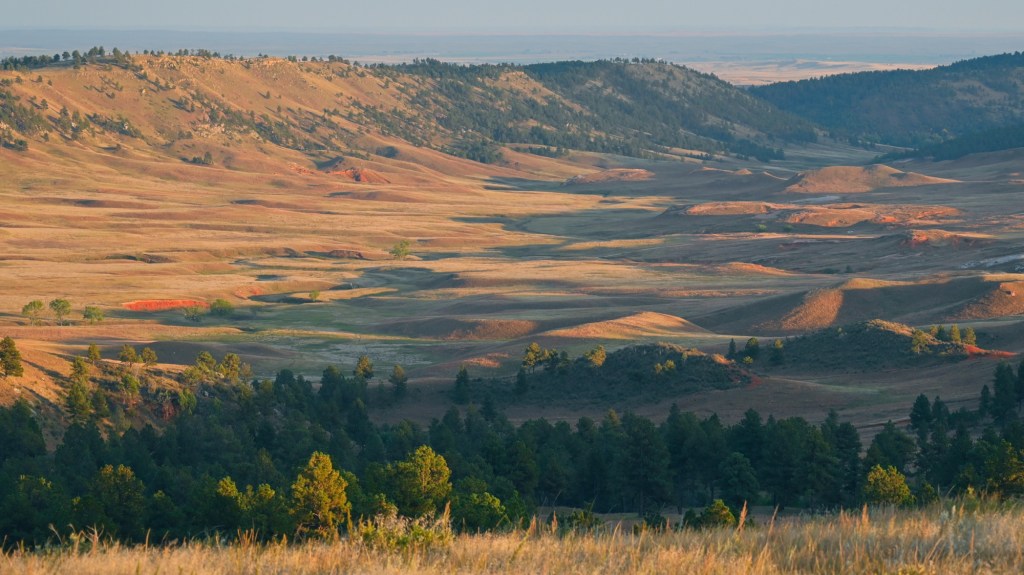
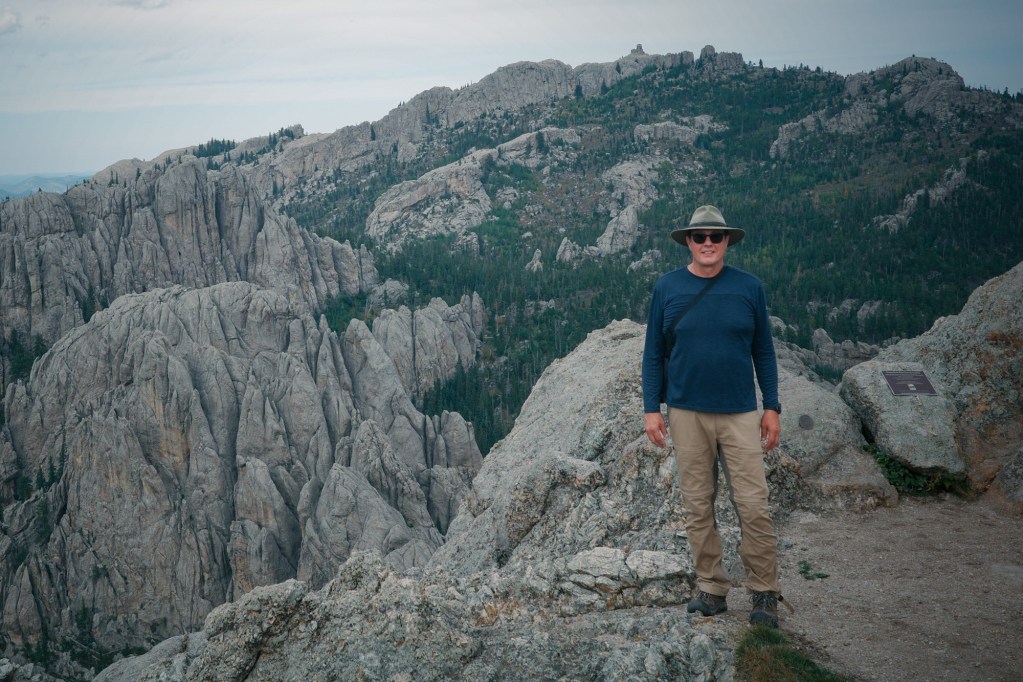
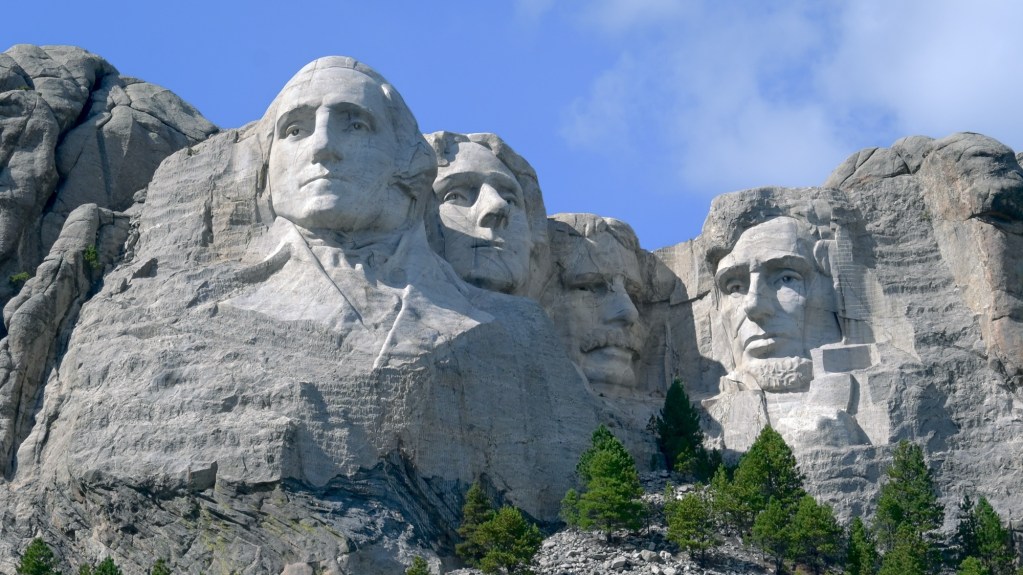
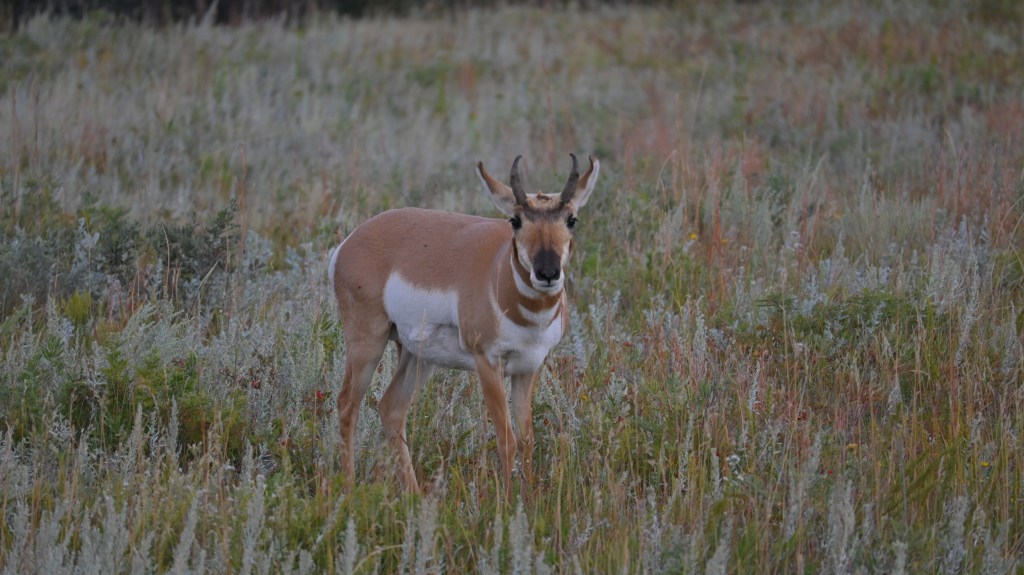
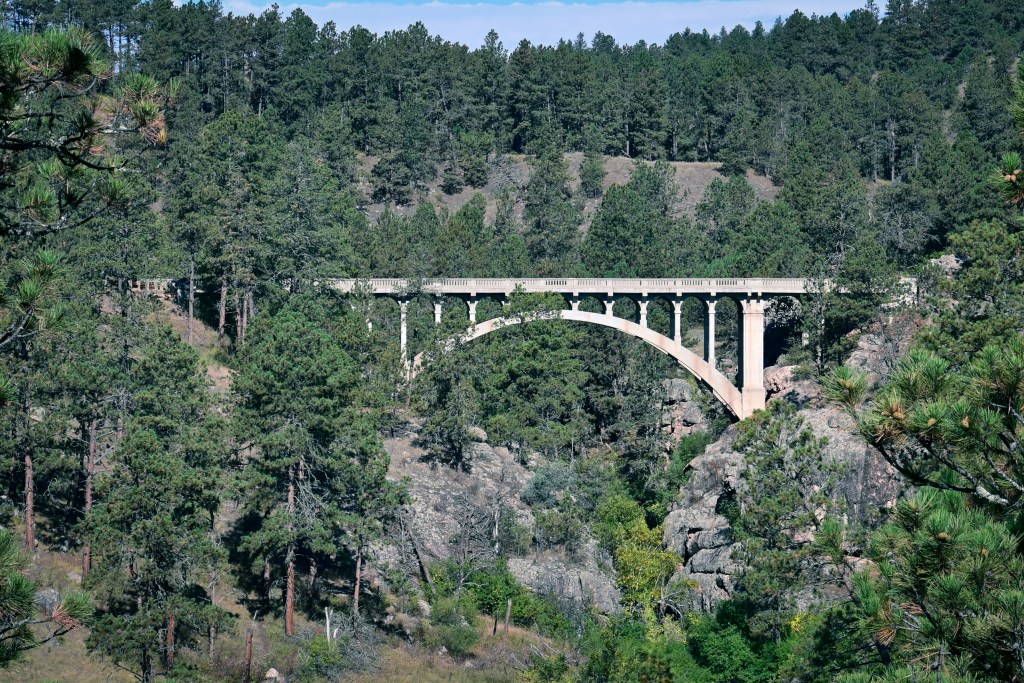
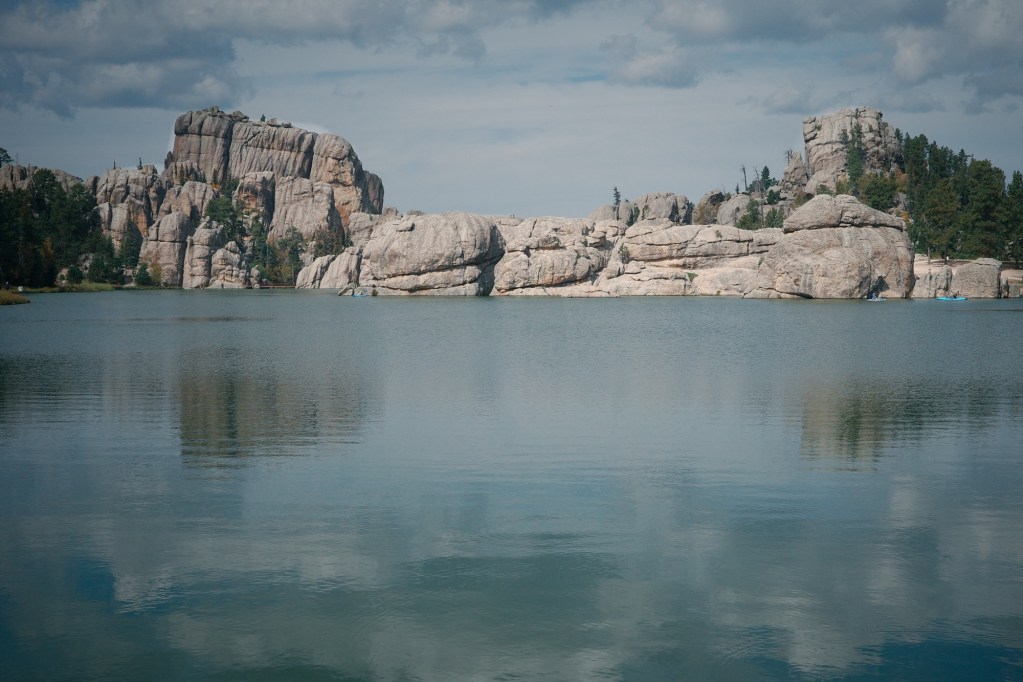
These cathedral-like spires are remnants of a Granite batholith. They’re sculpted by millions of years of weathering, leaving behind the jagged skyline that defines the central Black Hills.Tatanka. The name comes from the Lakota language of the Sioux Nation. it refers not only to the animal but to a sacred being tied to life, sustenance, and balance.They are huge, weighing up to 2,000 lb for males and 1,200 lb for females. Despite their size, buffalo are very agile and can run at speeds up to 40 mph. Taking the cool selfie next to one is not a good idea. As they say in the park, “Do not pet the fluffy cows!”Last light over the Black Hills — one tree, one hill, and two billion years beneath it.These jointed granite columns rise like organ pipes above the Ponderosa Pines of the Black Hills. Weathering along fractures create sharp vertical walls and narrow corridors.The “outer rings” of the Black Hills are eroded layers of rust-colored sandstone and shale that were deposited in a shallow inland sea.Scenery along the Little Devil’s Tower TrailA rare photo of myself on this site. I’m standing on the summit of Little Devils Tower (6,959ft). Behind me is the highest point east of the Rocky Mountains. At 7,244ft, Black Elk Peak is literally the crown of the granite batholith—the solidified magma body that forms the core of the Black Hills uplift.Mount Rushmore. The sculpture is carved directly into Precambrian granite along with veins of crystals of quartz and feldspar (seen here as lighter streaks across the forehead of Lincoln).Bull Elk on a Ridgeline A Pronghorn Antelope stands in tallgrass prairie The Beautiful Bridge of Custer State ParkThe rounded cliffs around iconic Sylvan Lake are domes of granite that were lifted and exfoliated bare.Bison of Custer State Park
Stay tuned to find out how the new cameras and lenses (and photographer) perform in the park this year!
Check out these posts from Custer State Park and the Black Hills from 2025:
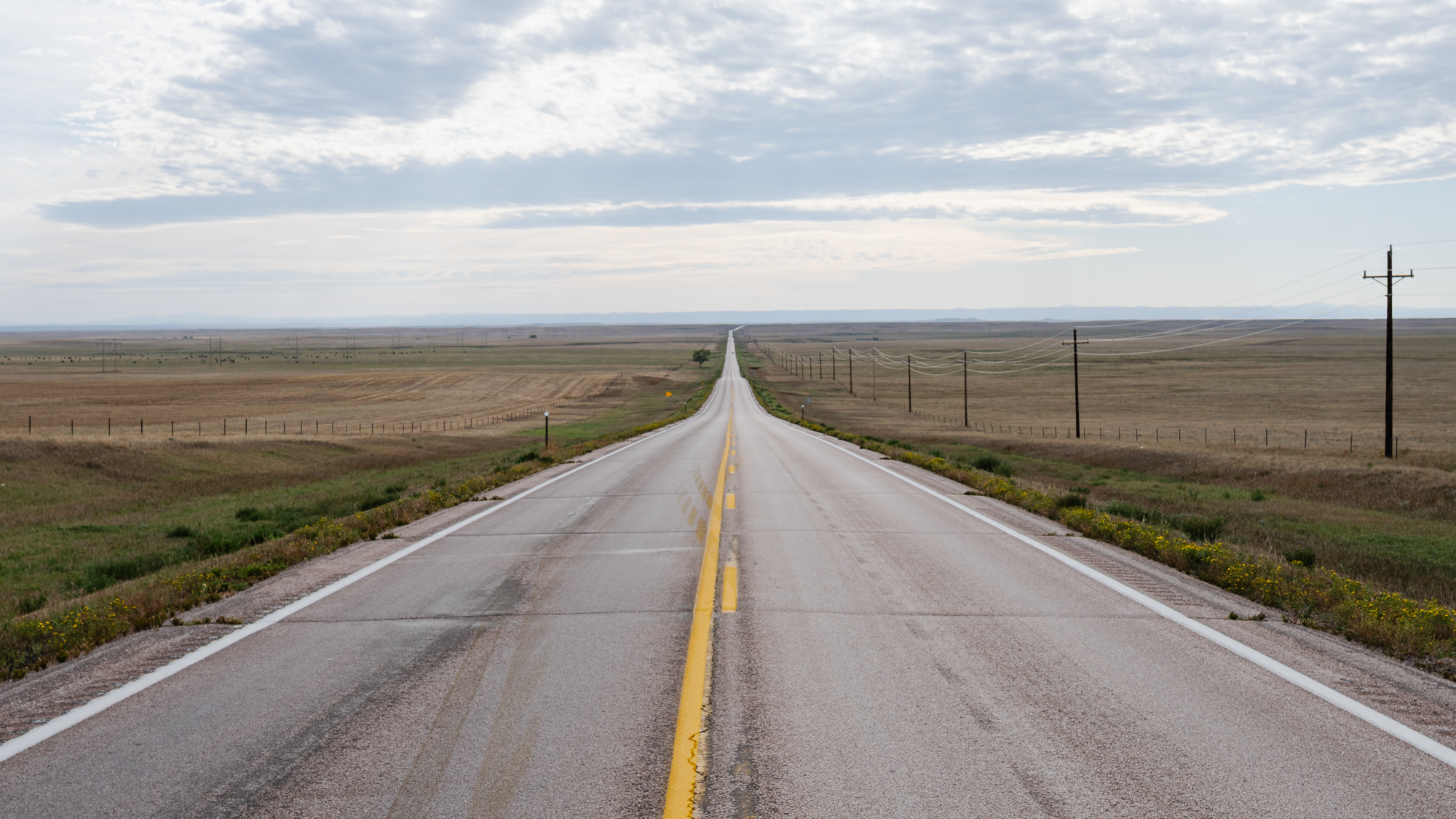
A three-day journey from northwest Wisconsin to the Black Hills, following the back roads through Minnesota and the Dakotas. An unexpected reunion, the historic Missouri River, Sitting Bull’s memorials, and the quiet beauty of the Great Plains.
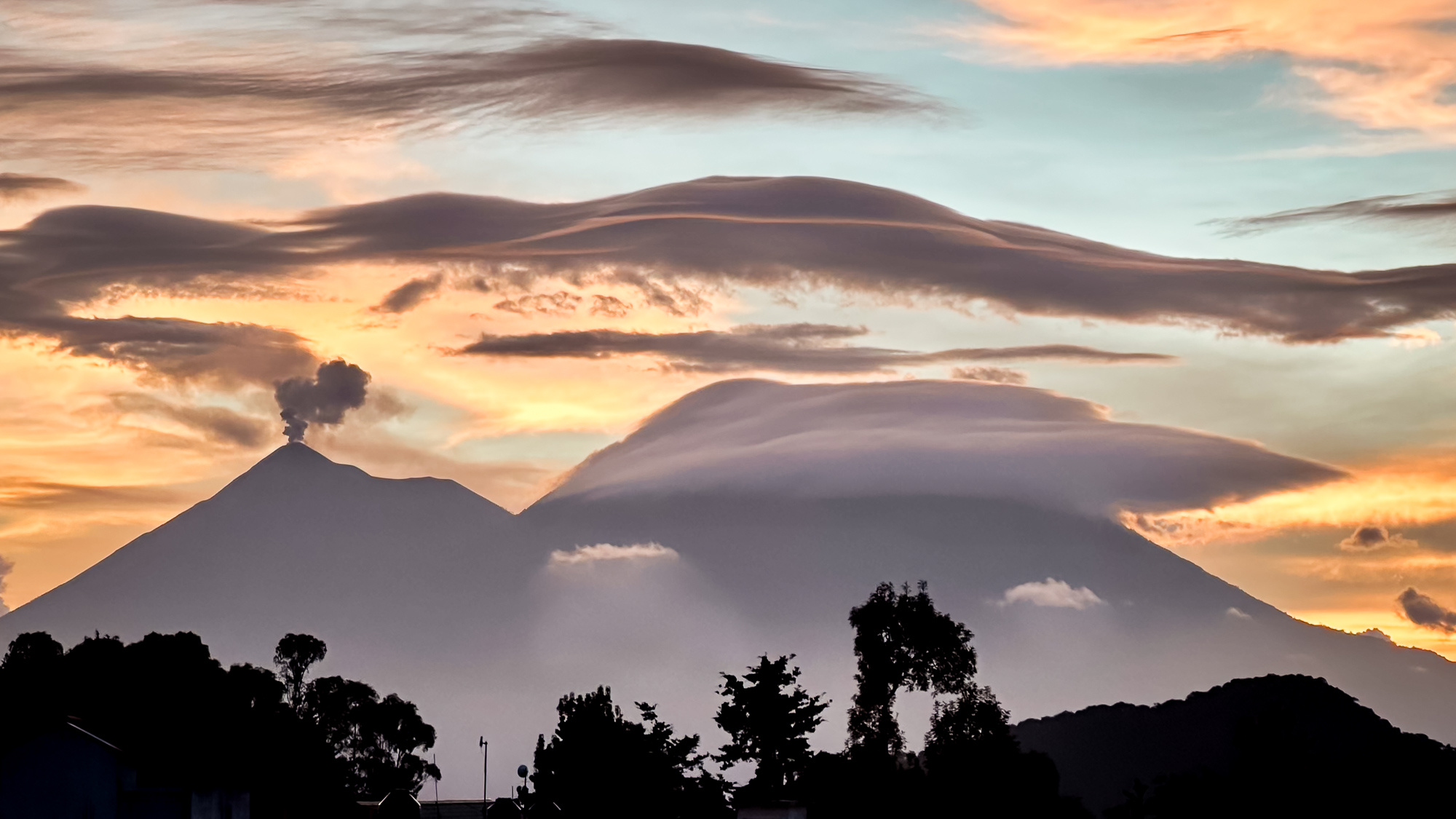
I’ve added a new Photography section to my website, beginning with a collection of images from Guatemala. From the volcanic highlands and the shores of Lake Atitlán to the colonial arcades of Antigua, these photographs reflect some of the places and moments that caught my attention while traveling in this beautiful country.
In March 2025, I photographed the walkway from Cayo Linares to Cayo Vigía on the Samaná Peninsula in the Dominican Republic. A long walkway over blue water, an island ahead, sailboats on their moorings, and warm light filtering through the branches on Cayo Linares. I posted the image on Google Maps to show other travelers…









This blog is a place for stories and conversations. Add your voice below – I’d love to hear it.