
Once, more than sixty million bison covered the American plains. The sound of their passing was said to be like thunder and would shake the earth. The ever-moving herd would go on for miles. Days would go by before it would moved out of site.
Tatanka is the name given to this ancient animal by the Lakota people of the Sioux Nation. Specifically it means, bull or male bison (or, buffalo). However, among the Lakotas, the word, Tatanka, carries deep spiritual and cultural meaning. It refers to a sacred being intricately linked to sustenance, and the balance between humans and nature. The word implies reverence, kinship and a symbiotic relationship. The bison was central to existing on the open plains. It gave food, shelter, clothing and tools. Its nomadic grazing helped the plains achieve a crucial biodiversity. The buffalo was uplifted in ceremony and spiritual teachings. The Lakotas said, “Tatanka gave himself so our people could live.”


“The Avarice and Thoughtlessness of Man” *
Then came the rifles, the railroads, the freight wagons filled with hides. The pioneers called it progress. The army generals called it strategy. By killing the bison, they starved the people who lived with them. By the 1880s, the thunder had gone silent. Bison in North America were almost biologically finished by 1889.

“To watch a bison walk is to witness the patience of time and the dignity of survival.”
Recovery of the American Bison
In 1914, the Black of Hills of South Dakota received 36 buffalo, trailered into what would become Custer State Park. Thirty-six survivors from the decades of slaughter.
The buffalo adapted well to their new home. By 1924, the herd had already reached 100 animals. The herd kept expanding through the 20th century. Eventually, wildlife managers realized something important. This was a growing, wild herd of buffalo grazing on a finite area of grassland. A balance needed to be struck between buffalo and prairie.
Today, Custer State Park manages one of the largest publicly owned, free-roaming bison herds in the world. The herd’s numbers vary between approximately 1,000 to 1,400 animals, depending on the season and the health of the parks 71,000 acres of grassland and ponderosa pine.


Buffalo of Custer State Park, Up Close and Personal
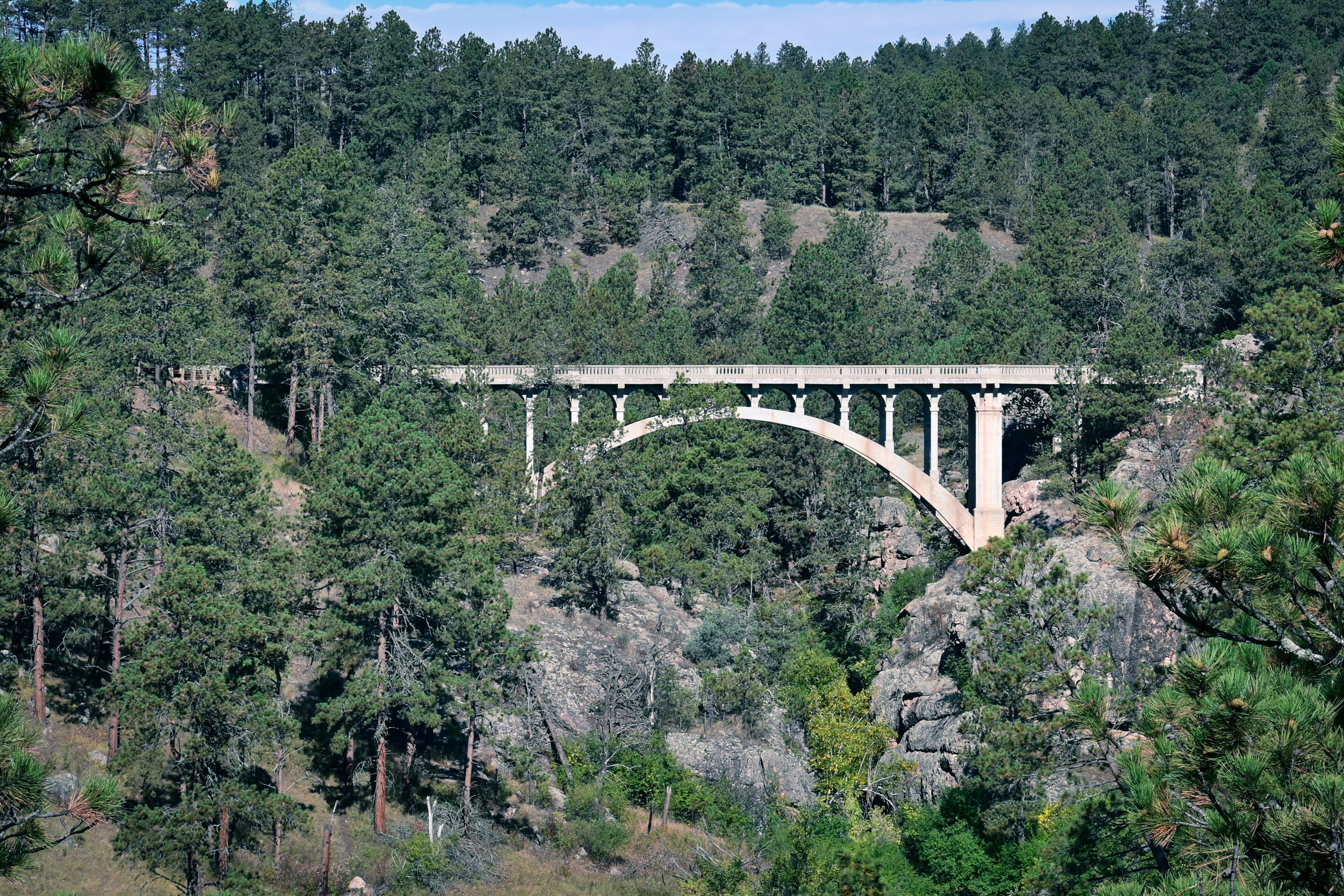
I wanted to snap some photos of a beautiful bridge inside Custer State Park. There was a pull off about 30 yards up the road. I opened the truck door, stepped out, then reached back inside to gather camera and tripod. Closing the door, I turned and started walking to the overlook. That’s when I saw him. A very large bull raising up from his nap against a large rock. Apparently, I had disturbed him. His demeanor was not the typical passive indifference to tourists. He snorted at me in a noticeably irritated manner – snot blowing from his nostrils. His stance communicating warning. My camera was set to take photos, which I did – of him – hurriedly. Then I got back in the truck and found a different place to park.


Tall grass sways on hills,
nodding to the memory –
mighty Tatanka.
Long the prairie held its breath –
rumble of distant thunder.
* (An excerpt from a plaque about the extinction of the Passenger Pigeon. Applicable here, as well). View my photo HERE.
Stay tuned for the third installment from Custer State Park.
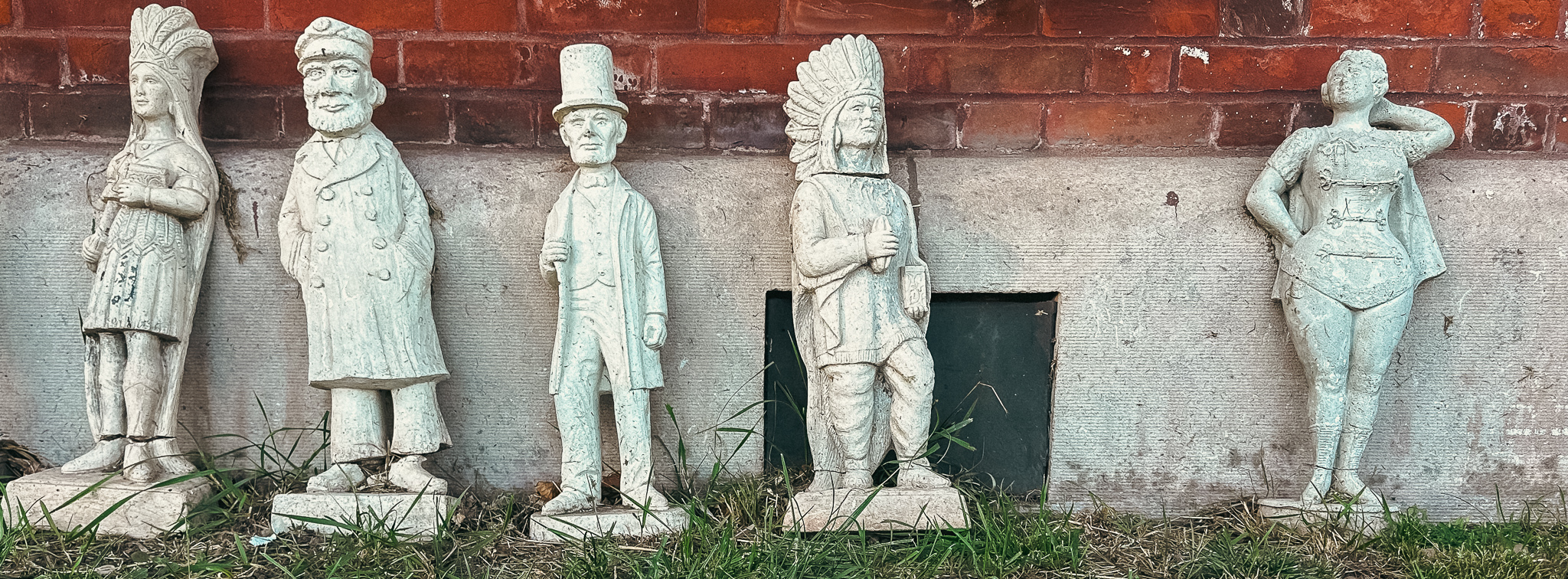
A teaser:



This blog is a place for stories and conversations. Add your voice below – I'd love to hear it.