

Three Cameras, One Story
At 13,000ft, the air thins and the land opens. There is a clear sense of standing on top of the Andes. Mountains below. Everything else is sky.
Quilotoa doesn’t announce itself. After hours of winding up and up, it suddenly appears. Like reaching the apex of the first ascent on a roller coster. Up here the elements gather. Wind and water, earth and sky, held together within the rim of an ancient crater.
I had three cameras on this trip, allowing me to see and share this amazing place in different ways.
iPhone
Let’s begin with the simplest lens. The one we carry without thinking.
The opening image of the Quilotoa crater was taken with my iPhone – not because I believed it would outperform the Nikon Z6III or the Ricoh GR IIIx, but because it was the only camera I had with me at that moment.
I was in Quilotoa with the Denver, Colorado Lions Club, helping fit eyeglasses for people in this remote Kichwa village. Essentially, kind gestures collected from across the United States. I was walking toward our lunch stop when someone approached with an urgent message.
“The clouds have cleared. You can see the crater lake right now!”
In the Andes, moments like this are never guaranteed. They come and go in minutes.
My mind ran a quick inventory.
Nikon-on the bus.
Ricoh-on the bus.
iPhone-in my pocket.
This is the strength of a mobile phone in travel photography. It is not always the best camera in terms of optics or control, but it is often the best camera simply because it is there.
So often, the most meaningful images are not planned or choreographed. They present themselves in an instant. As travelers, we have to be aware of these moments and respond with whatever camera is available at the time.
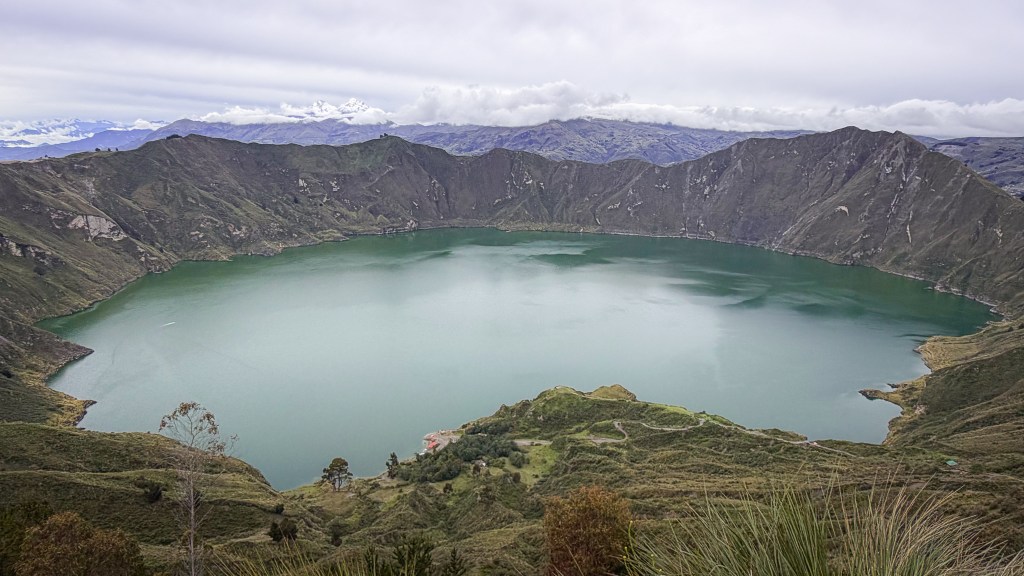
With my iPhone, I captured this sweeping panorama of the Quilotoa crater lake, the surrounding ridge lines, and distant, snow-covered, volcanic peaks.
The Ricoh GRlllx
Then there is the Ricoh GR IIIx. A camera few people seem to know, yet for those who do, it becomes a traveling companion.
The camera shares a heritage with Pentax. the GR series was designed with street photographers in mind. It is truly a compact camera – barely larger than a deck of cards. But don’t let size fool you, within the small frame is something extraordinary. It has a large sensor paired with a sharp, fixed lens engineered precisely for this singular camera. It feels more like a fine instrument than a gadget for taking pictures.
This is the camera I reach for when discretion matters. It has no viewfinder. No reason to raise it to your eye and become a tourist instead of a traveler.
I hold it at chest level, composing on instincts, pressing the shutter button mostly unnoticed. focal lengths are predetermined. Moments remain true. No awkward smiles. No posing, and no disapproving glares. Just life as I see it.
I also choose the Ricoh when I want to travel lightly. When the intention is to walk, to dine, to visit… Anything but photography. The Nikon stays behind. The Ricoh slips into a pocket. No bag. No weight. And no regrets.
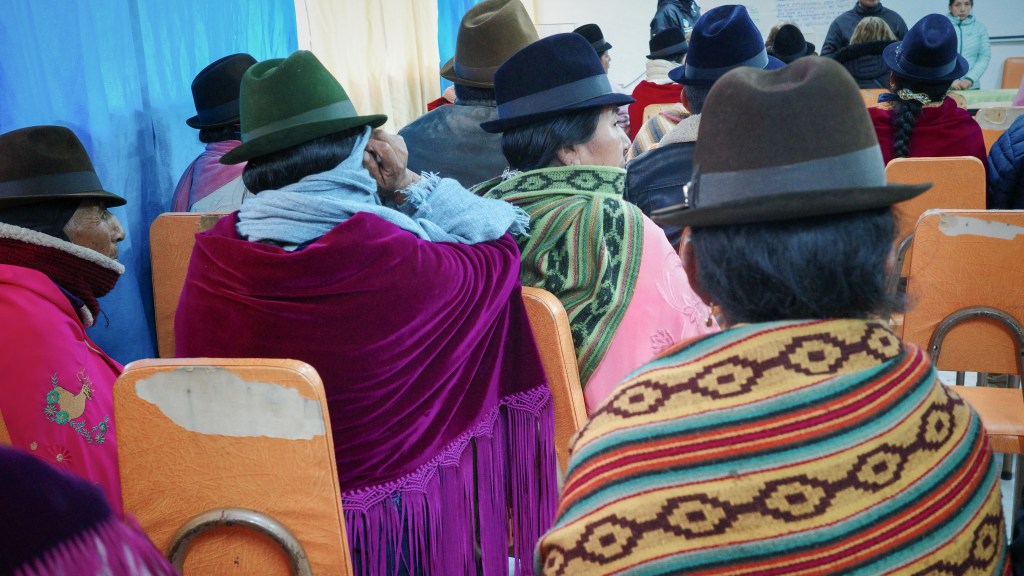
The two images below were captured using the Ricoh GRlllx in Quilotoa.

The Nikon Z6lll
Finally, we arrive at the Nikon Z6lll. This is a camera that doesn’t need to prove itself. It is a confident and capable instrument, designed not to just record a scene, but to interpret it with intense clarity and depth. Light is rendered with all of its nuances. Details hold together, even at a distance.
You carry this camera with a purpose. The menus read like a personality test – inviting the owner to create a unique style of photography. This is how I see the world. This is how I want to share it with you.
Just before departing Quitoloa, I hurriedly pulled the Nikon Z6lll off the bus and walked a few hundred feet down the main street of this little village in the Andes. I snapped three photos. One of which is presented below. Here, the Nikon was paired with the Nikkor Z 24-120mm f/4 S lens. An amazingly versatile lens for travel photography. At 24mm it opens wide and allows the scene to breathe, to establish place and scale. At 120mm, reaches into the scene, drawing elements forward while isolating details and clarifying textures.
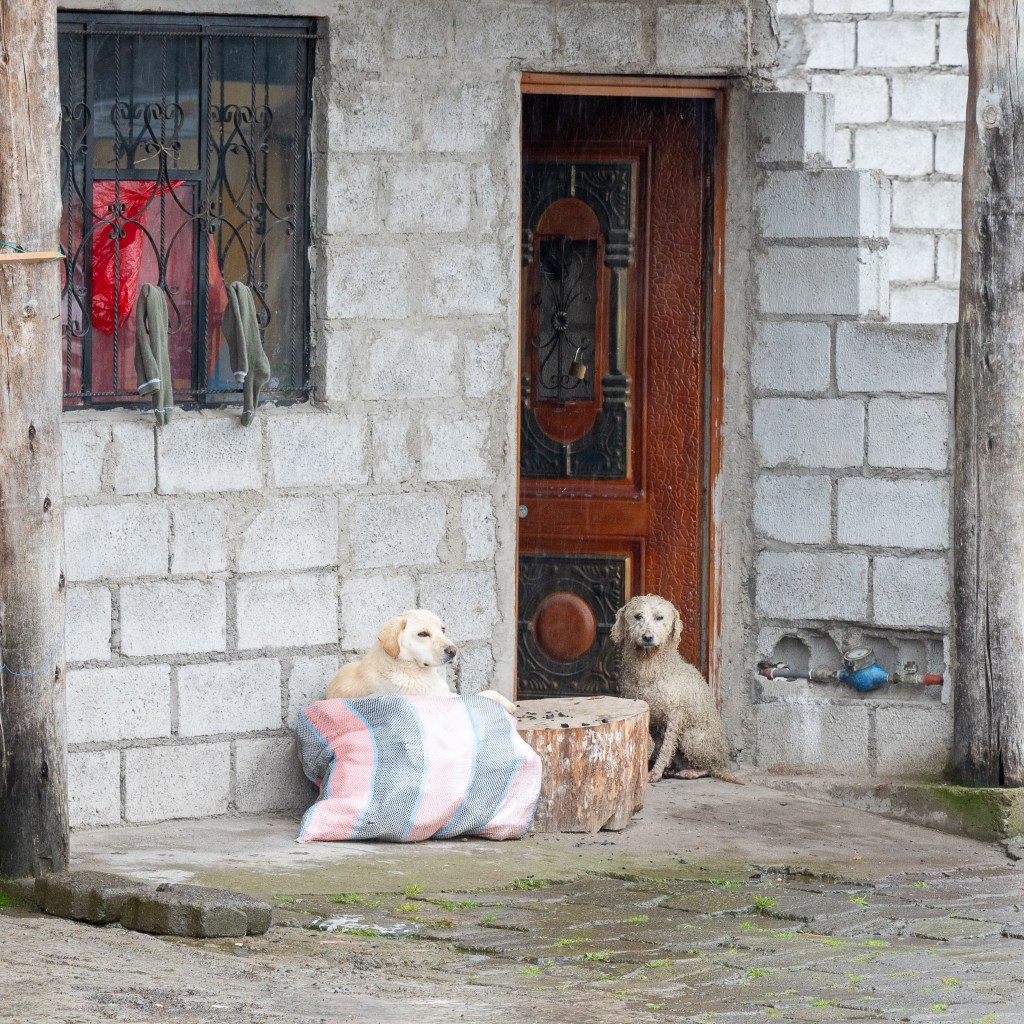
Click on the image below for a close up
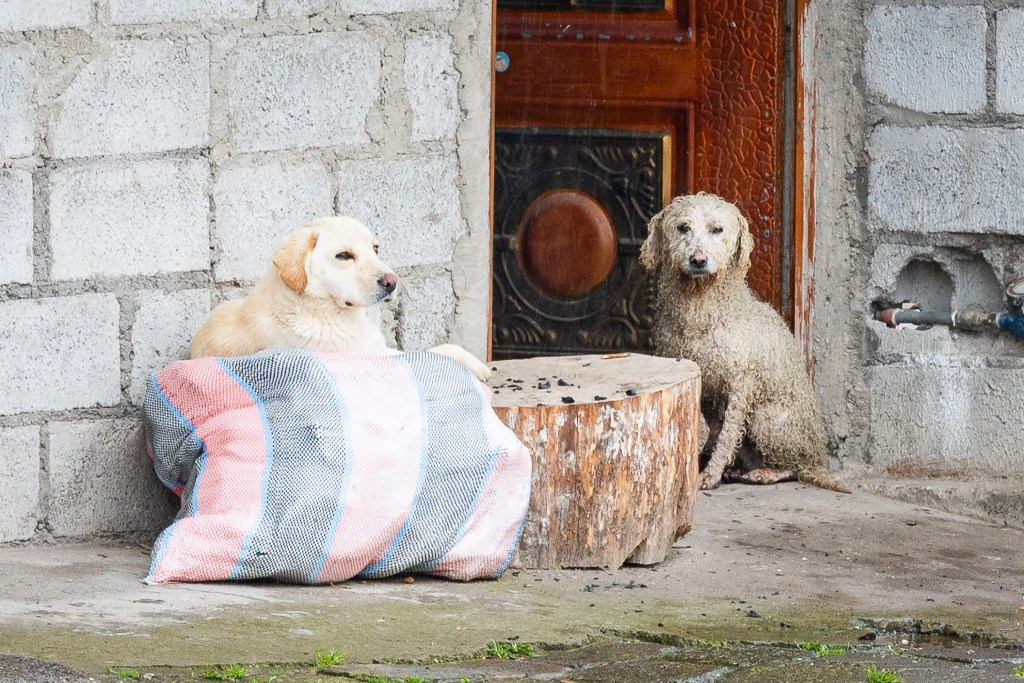
The results here are not simply photographs of a place, but a composition of its elements that begin to suggest its character. A step toward capturing the essence of a place, and presenting images that reflect the emotional response of the moment.


This blog is a place for stories and conversations. Add your voice below – I'd love to hear it.