
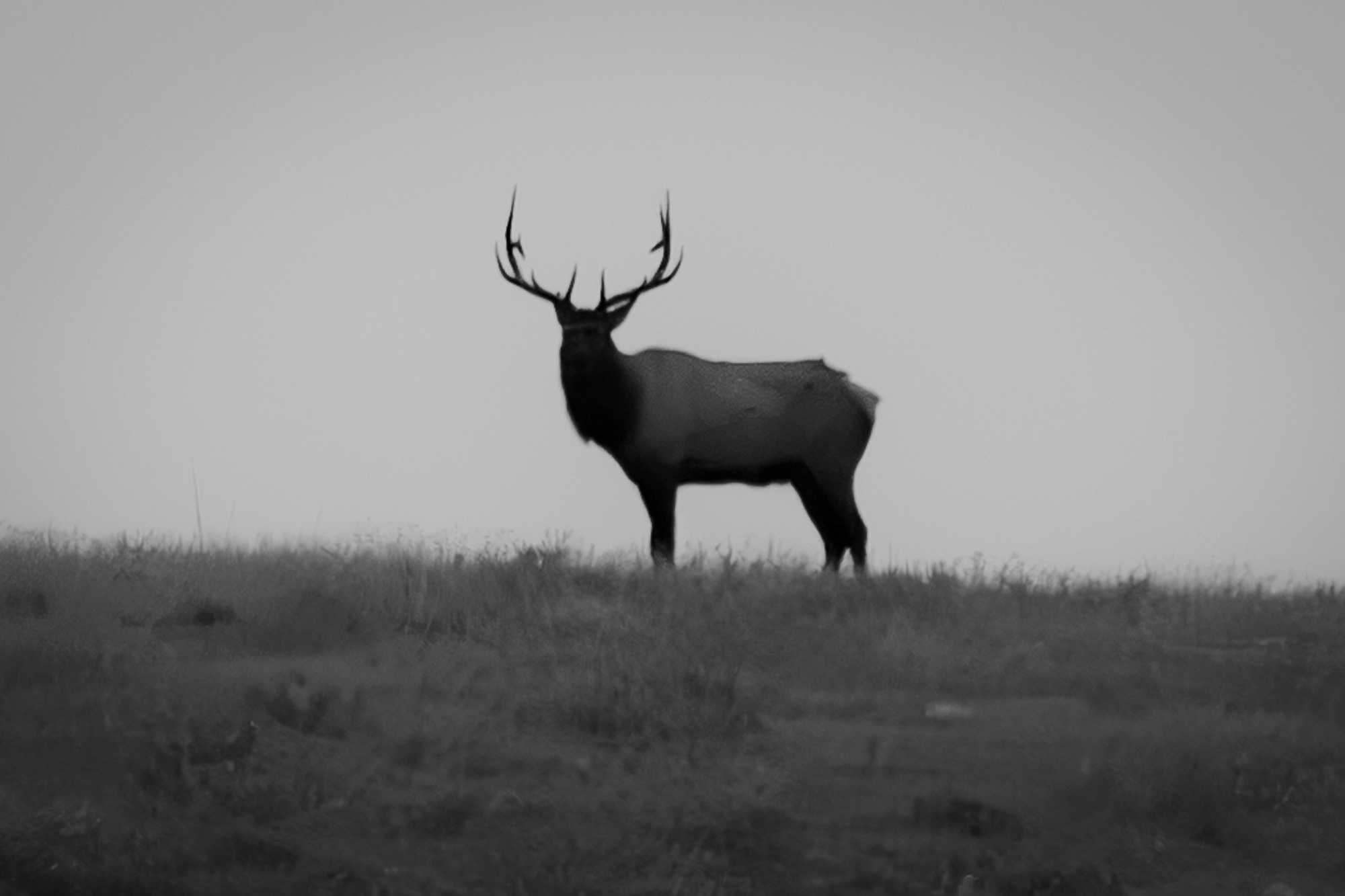
Long before Custer State Park was created in the Black Hills of South Dakota, elk were part of a landscape inhabited and hunted by Indigenous peoples for thousands of years. For the Lakota and other peoples of the region, large game provided food, hides, tools, and other necessities. Hunting followed seasonal patterns and cultural traditions that were very different from the exploitations that arrived with European-American settlers.
During the nineteenth century, elk were killed in unconscionable numbers by market and sport hunters. The results were devastating. In just a few decades, wild elk had completely disappeared from South Dakota.
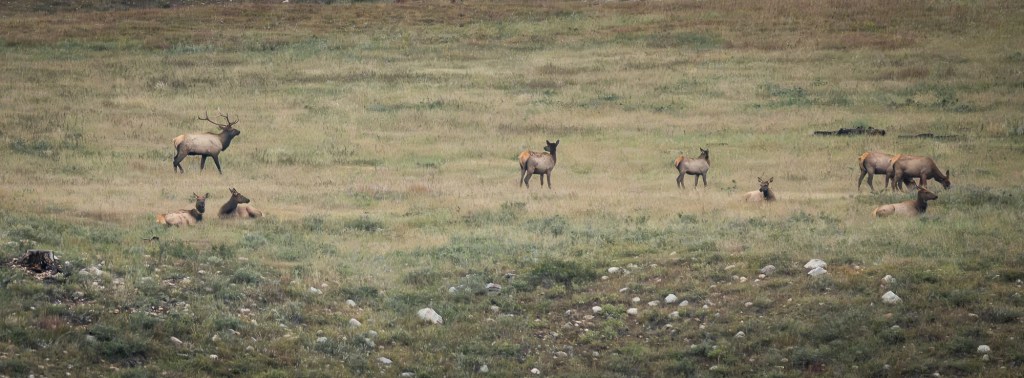
Beginning in the early twentieth century, elk were reintroduced to the Black Hills by state and federal conservation agencies.
Today, thousands of elk roam the Black Hills. The herd is maintained through habitat conservation, wildlife studies, and carefully regulated hunting.
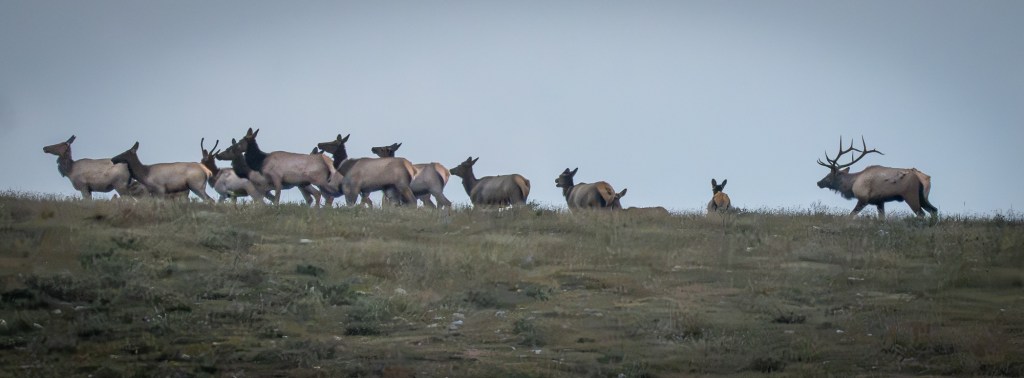
The elk in these photographs are part of a population that completely disappeared from this landscape. With over a century of restoration and management, this regal animal has returned to Custer State Park and the Black Hills of South Dakota. We are all the better for it.



This blog is a place for stories and conversations. Add your voice below – I'd love to hear it.