A lone hiker stands atop a rocky outcrop overlooking the rugged landscape of Antelope Island and the hazy waters of the Great Salt Lake in Utah.

Author: Gary Donaldson

  • Dominican Republic Artist, Adalberto Noble

    Dominican Republic Artist, Adalberto Noble

    I was in the Dominican Republic last week with the Wisconsin Lions Missions group. Collaborating with the Lions from Santo Domingo, we helped approximately 3800 people see better. We also referred over 100 people for cataract and/or pterygium surgery.

    I often stay a few extra days after our missions to enjoy exploring new places and cultures. This was my first time in the Dominican Republic, so an extended trip was in my plans.

    I waved goodbye to the Wisconsin Lions volunteers and slung the camera over my shoulder. I wanted to photograph Green parrots. They seemed to be using the ruins of an early 16th century hospital as a roosting location.

    I made it only a block before encountering a man painting a mural on the side of a house. The house seemed to need a lot of updating.

    The Dominican artist, Aldaberto Noble, stands in front of a mural he is creating in a neighborhood of Santo Domingo.
    The Dominican artist, Aldaberto Noble, working on a mural he is creating in a neighborhood of Santo Domingo.

    Intrigued, I walked over and engaged the artist in a conversation. He told me his name was Adalberto Noble. He particularly liked painting in what’s known as Traditional Caribeño style. I asked if he had a website of his work. He said no. But Dominican Artist Adalberto Noble did have some work in a gallery somewhere in Santo Domingo.

    A neighbor came out of his house. He explained that the artist was trying to help beautify the home. The owner was only able to nail up some corrugated metal to repair the exterior wall. Interestingly, the neighbor was a Lions member as well.

    I took a few more photos and a video of Dominican Artist Adalberto Noble painting the mural.

    Artist, Adalberto Noble, at work.
    Artist, Adalberto Noble, at work.

    Back home and writing this post, I decided to search for an online presence of Dominican Artist Adalberto Noble. I found some images of his work on a site called, artisticord. Click HERE to see more of his work.

    And the Green Parrots?

    Green Parrot of the Dominican Republic
    Green Parrot of the Dominican Republic

  • Colors of The Dominican Republic

    Colors of The Dominican Republic

    Colors of the Dominican Republic. I couldn’t resist this image of the bright warm yellows of the building against the soft evening blue sky.

  • Portrait of Kaqchikel Maya Woman at Iximché, Guatemala

    Portrait of Kaqchikel Maya Woman at Iximché, Guatemala

    The Kaqchikel Maya of Iximché

    The Kaqchikel Maya of Iximché Guatemala are one of the largest indigenous groups in the country. Many of them live in communities in the central highlands of the country. Despite centuries of colonization, oppression, and modernization, the Kaqchikel continue to preserve their culture, traditions, and language. They still practice ancestral ceremonies and rituals at sacred Mayan sites like Iximché.

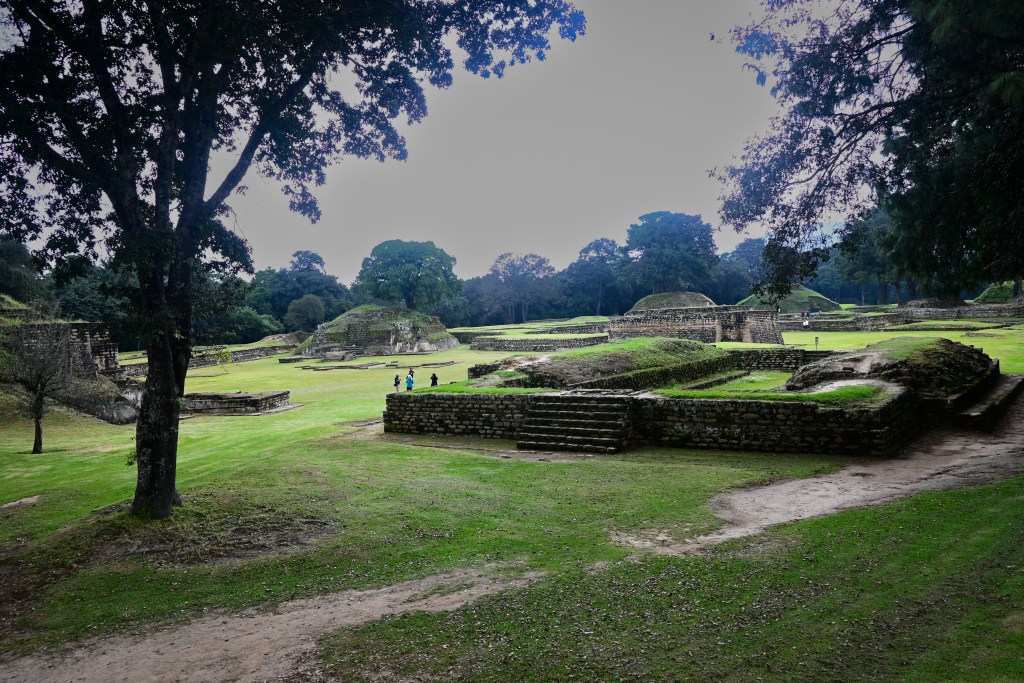
    Iximché, Guatemala
    Iximché, Guatemala

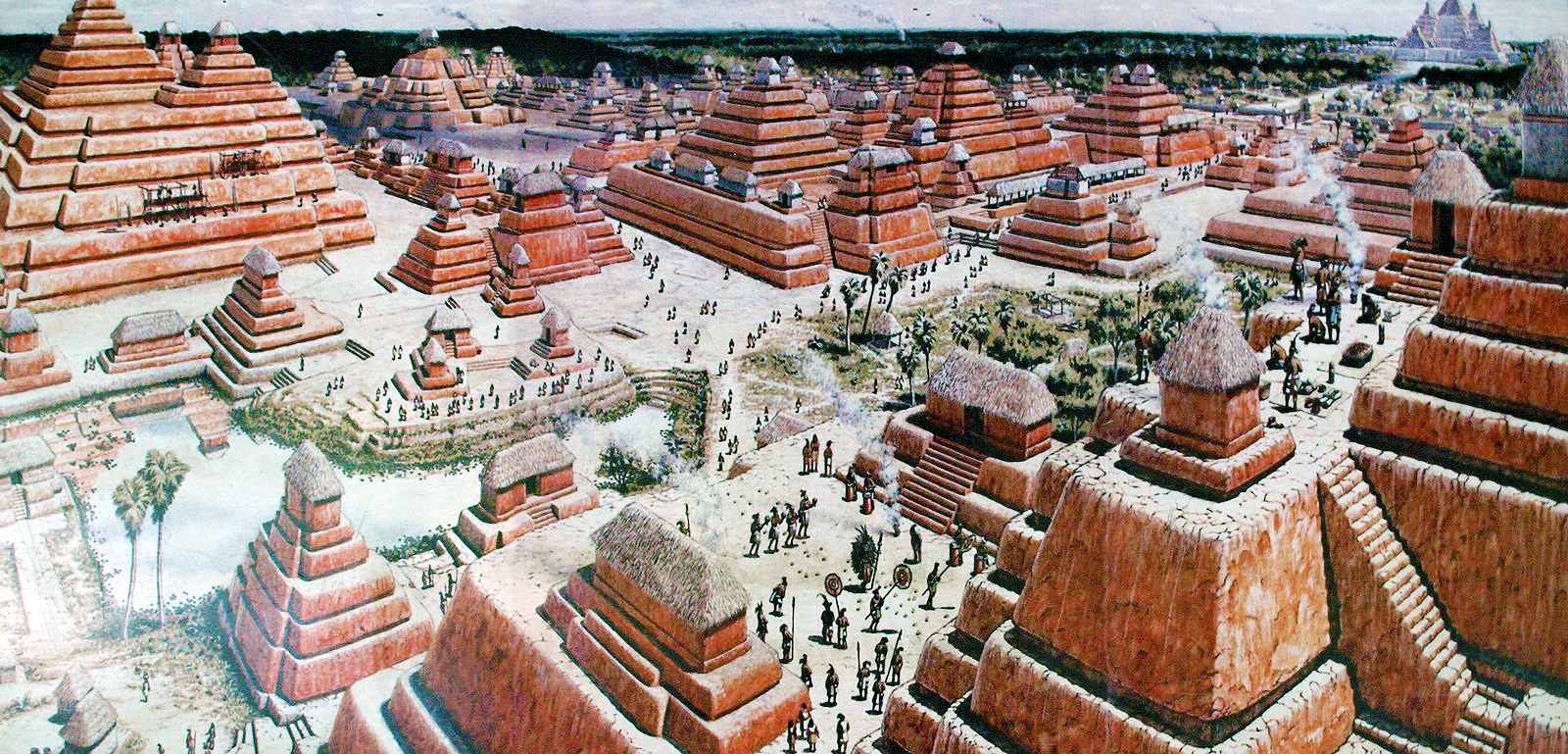
    Iximché was a major Mayan city and the capital of the Kaqchikel kingdom in what is now Guatemala. It was founded around 1470 and was strategically built on a ridge to defend against rival indigenous groups. The Kaqchikel Maya of Iximché Guatemala made this place their stronghold.

    Arrival of the Conquerors

    The Spanish arrived in 1524. By that time, the Kaqchikel population had been decimated by smallpox. This disease was brought to Mesoamerica by the European conquerors. The Kaqchikel allied themselves with the Spanish to help fend off their enemies. However, this alliance was short-lived as the Spanish forced the Kaqchikel people into labor. The Maya rebelled and forced the occupiers to abandon Iximché in 1527. The Kaqchikel Maya of Iximché Guatemala had to abandon their capital as well. The Mayan city was left in ruins by the departing conquistadors.

    Iximché, Guatemala
    Iximché, Guatemala

    Endurance

    Iximché was all but forgotten until a Guatemalan historian described it in the late 17th century. Scholars visited the site a few times during the 19th century. Serious excavations of the site started in the 1940s and continued until the 1970s. In 1989, a ritual was held at the site. Its purpose was to reestablish the ruins of Iximché as a sacred place for Mayan Ceremonies. The site is a Guatemalan National Monument, crucial for the Kaqchikel Maya of Iximché Guatemala.

    Today, visitors to Iximché are mostly the indigenous Maya and local Guatemalans. Very few tourists visit the ruins. Most tours for visitors wanting to see Mayan ruins go to the more famous Tikal. They also visit neighboring Yaxhá or El Mirador. El Mirador has one of the largest pyramid complexes in the world.

    Portrait of Kaqchikel Woman

    I was fortunate to experience the wonders of Iximché. I asked the Kaqchikel women in the featured image for permission to take her photo. Thankfully, she obliged! To me, there is a lot in this image. This stately woman has an ancestral connection to this very location. Her connection predates Columbus “discovering” the Americas in 1492. It also predates Cortez landing in Mexico in 1519. Her people survived the conquest and the myriad of diseases they brought with them. Her traditional colorful outfit is beautiful. I told her as much. She is sitting on stone steps. The Kaqchikel Maya of Iximché Guatemala laid these steps down almost a thousand years ago. They built their capital on these steps.

    Look at her face, her eyes, her hands. It’s all there. She carries the ancient culture with her as a proud member of the Kaqchikel Maya of Iximché Guatemala.

    A replica of a Stele found at Iximché
    A replica of a Stele found at the Iximché site.
  • The Standing Stones of Calanais, Scotland

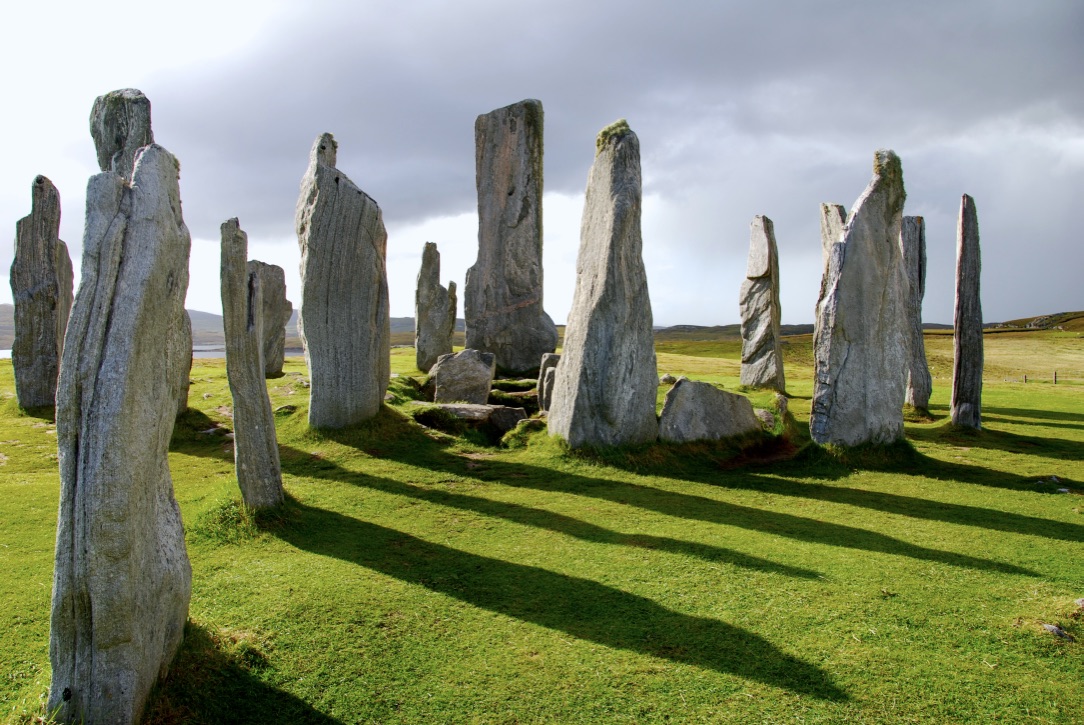
    The Standing Stones of Calanais, Scotland

    The Standing Stones of Calanais are located on the Isle of Lewis in Scotland’s Outer Hebrides. They are one of the most significant prehistoric monuments in all of Great Britain. Erected around 3000 BC, this ancient site has a central monolith. It is surrounded by a circular arrangement of standing stones. Further out, the stones are in the shape of a cross. Archaeological evidence suggests they were used for ritualistic or astronomical purposes, aligning with lunar cycles.

    I had the good fortune of coming across this magnificent site during a two-week solo road trip of the Scottish Highlands. The Calanais Standing Stones of Scotland are truly a sight to behold. To learn more about this interesting site, click on the linked text in the paragraph above. A trip to Scotland is not complete without visiting this important historic site.

    A map showing the location of the Outer Hebrides in relation to to mainland Scotland.

  • Ice  Fishing in Northwest Wisconsin

    Ice Fishing in Northwest Wisconsin

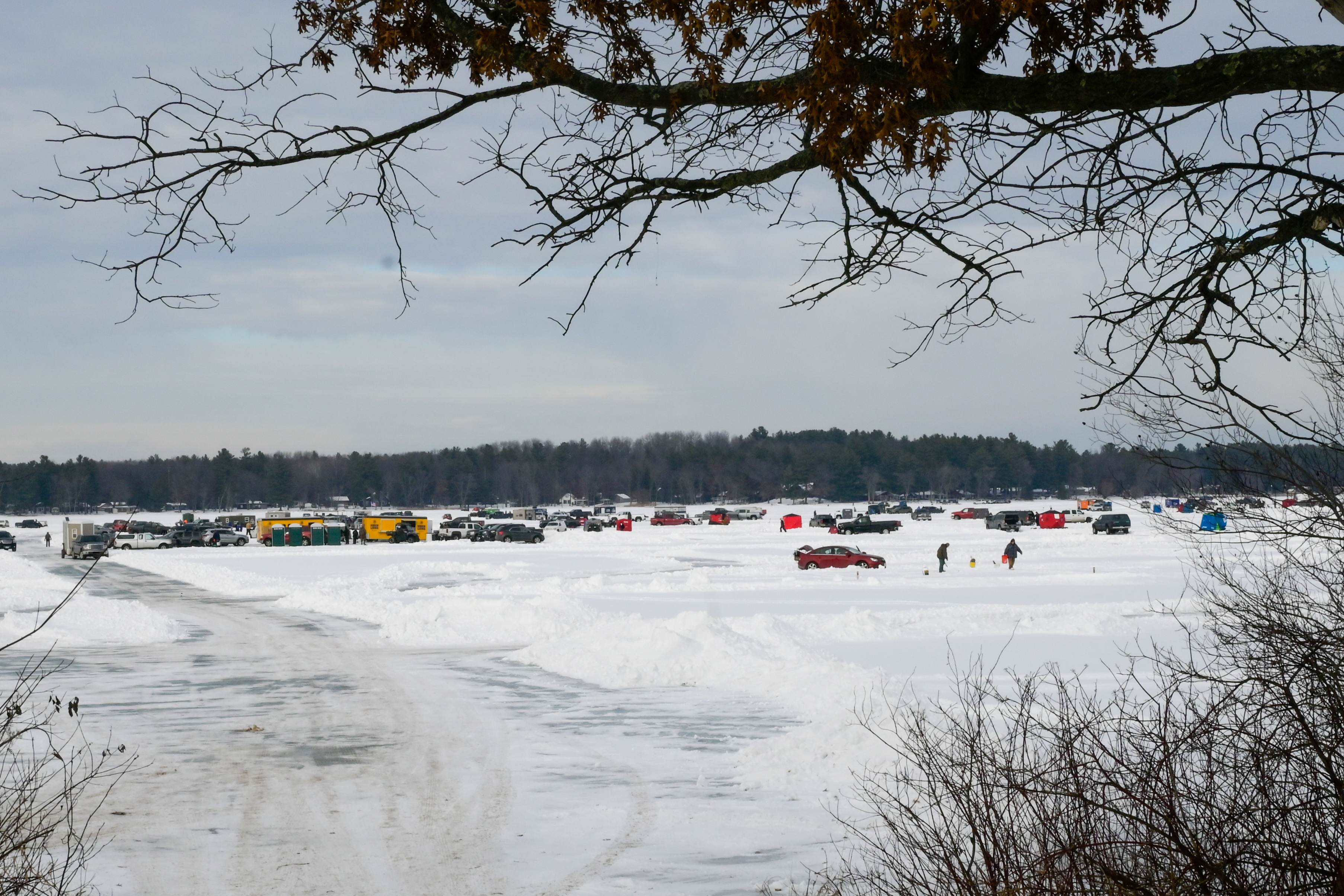
    What do you do for fun in northern Wisconsin during the winter? We can go skiing, snowshoeing, or snowmobiling. We love hanging out in our favorite pub, coffee shop, local brewery, or distillery. There, we play cribbage and cheer for our favorite sports teams. For many, ice fishing in Wisconsin is a popular choice.

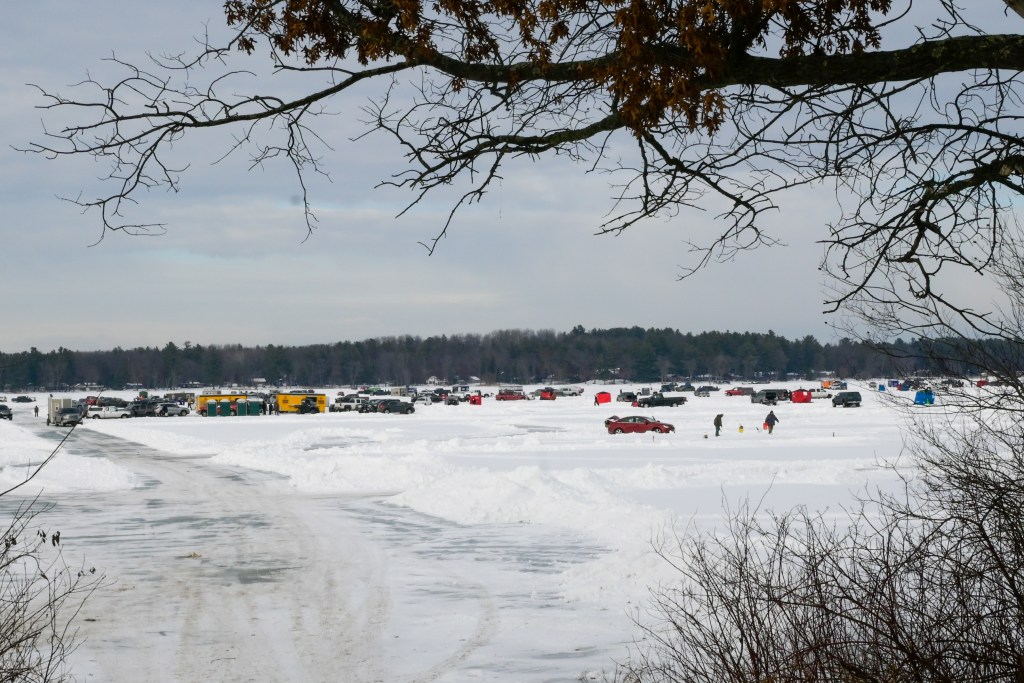
    Ice Fishing Contest

    Above is a temporary village. Complete with trucks, cars, ATV’s, snowmobiles, campers, and ice shacks. Lions Club trailers are selling grilled burgers, brats, fries, and cold Wisconsin beverages. Hundreds of men, women, and children sit on lawn chairs, camping chairs, and plastic buckets. They are staring at holes drilled in the ice, waiting for a tiny bobber to disappear below the ice. Perhaps a tip-up flag springs up, announcing something has taken the bait. All of this is setting on a sheet of ice on a lake.

    There is a check-in station for the biggest fish. Today is the Siren, Wisconsin Lions Club 27th Annual Whopper Ice Fishing Contest on Clam Lake. I decided to bring camera gear. I chose it over ice fishing gear. My plan was to catch a few winning images instead of a winning fish.

    Searching for the Essence

    From a distance, I picked out a particular couple of ice shacks. I thought they represented the traditional abode used by these hardy ice-fishing souls of the northwoods. Something more familiar to those who remember the movie, Grumpy Old Men. A movie that comes to mind when the topic of ice fishing in Wisconsin is discussed.

    Ice Fishing Shacks
    Ice Fishing Shacks

    In Wisconsin, there is a particular scene that is so ubiquitous with the state. Whether it be at a Packers game, Brewers game, or Badger game. It could be a holiday, picnic, or camping. It can happen any day, anywhere, for any reason. It’s known as tailgating. Wisconsinites have elevated tailgating to a fine art. And in doing so, we have expanded it to nearly every outdoor activity where family and friends congregate, including a day on the ice.

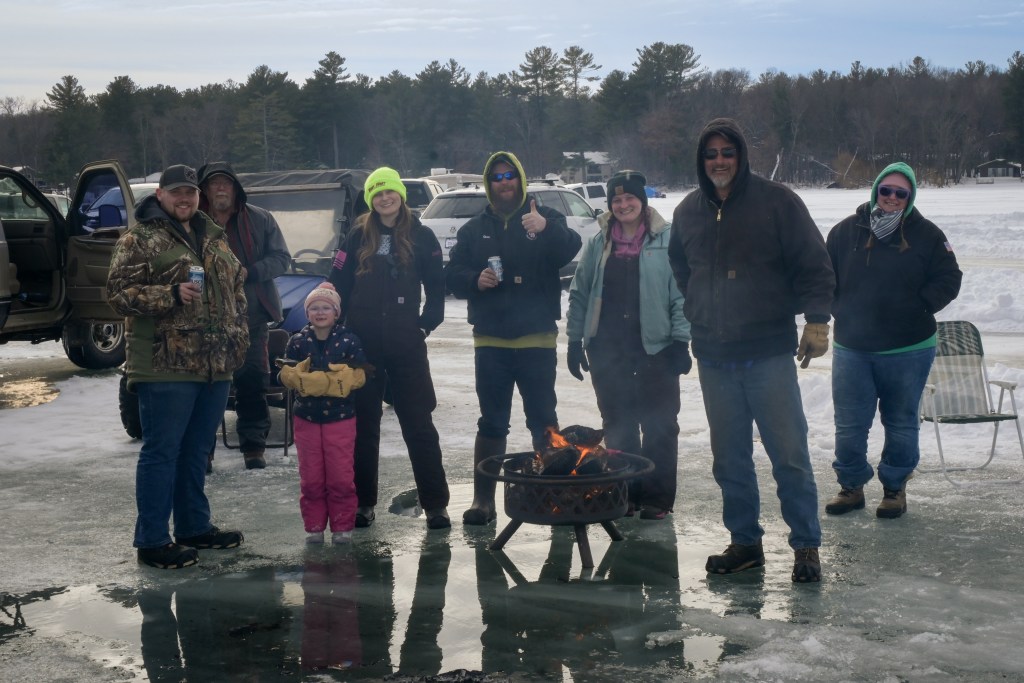
    The Cederberg Family
    The Cederberg Family

    And so It was no surprise when this wonderful family invited a stranger to join them for a beverage. A stranger walking by with a camera hanging around his neck. A friendly gesture so often offered by Wisconsinites. Even if you’re at the ballpark or stadium wearing the wrong team jersey (usually). Like a stranger expecting to be offered our last beverage, we have our limits.

    Ice fishing can be for the whole family

    It didn’t take long for the real star of the Cederberg family to stand out. Little Oakley stole the show!

    click on images to expand

    This is what a family day on the ice is all about. This is what we do for fun while ice fishing in northern Wisconsin during the winter!

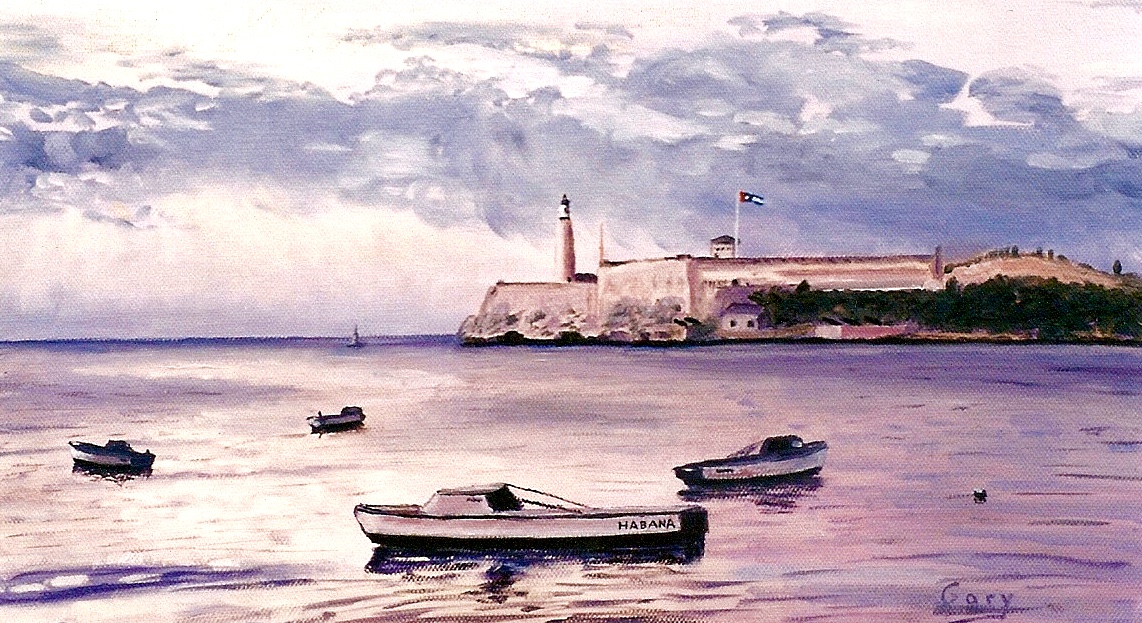
  • Oil Painting, Port of Havana and El Castillo del Morro

    Oil Painting, Port of Havana and El Castillo del Morro

    A Postcard Edition

    El Puerto de la Habana (The Port of Havana), Oil on canvas.

    The fort at the entrance of the Port of Havana is called Castillo del Morro (Castle of the Dead). It was built in the late 16th century to protect Havana from pirates and foreign invaders. It is one of the most iconic landmarks in Cuba.

    – Original painting was sold to a gentleman who said, “the painting reminds me of the Patrick O’Brian series of books about Captain Jack Aubrey and Dr. Maturin.”

    The first 10 books were used to create the film, Master and Commander, starring Russel Crowe as Captain Jack Aubrey.


    Click HERE to visit the portfolio page for original works of art.

  • The Hooded Crow of Istanbul

    The Hooded Crow of Istanbul

    Istanbul, A Muslim City

    Several years ago, I spent two weeks in Istanbul, Turkey. It was the result of a recurring dream, but that is for another post. I stayed in a Muslim-owned guest home in the historic Saltanahmet District instead of a hotel. I can’t imagine doing a trip like this any other way. More than 90% of Istanbul’s population are Sunni Muslims. I wanted to immerse myself in their culture. I wanted to experience it for myself.

    Historic Istanbul

    Stepping into the ancient and medieval streets of Istanbul is an overwhelming experience. The city was formerly known as Constantinople (330AD) and before that, Byzantium (657 BC). The culture shock is bewildering.

    Various occupiers have influenced the city’s history for thousands of years. The Greeks, the Roman Empire, and the Ottoman Turks have all left behind a rich cultural heritage. A significant architectural legacy also remains. It bridges Europe and Asia. It is one of the most fascinating cities in the world to visit.

    Skyline of Istanbul
    Skyline of Istanbul

    The Hooded Crow

    One of the habits I have when traveling is to take pictures of birds. Especially three kinds of birds: Gulls, Pigeons, and Crows or Ravens.

    It was in Istanbul that I first experienced the Hooded Crow. The featured image documents our initial encounter. I didn’t even know it was a Crow until I did some research. Black wings on a white body and the morbid black hood with piercing eyes sitting on a headstone in an ancient graveyard staring straight into my soul.

    I quickly focused the camera and took the photo. Then a chill ran through my body as the Crow’s gaze never wandered. Is this an omen? And if so, what kind of omen? Hooded crows are significant in Istanbul myths.

    Throughout the history, the Crow is deeply linked to myths, folklore, and omens. In Arabian and Islamic mythology, the crows are thought to be spies for the Djinns* living in the deserts. In some cultures, the crow’s presence is considered a bad omen, in others it’s a sign of good fortune. Crows have been linked to death and disease, but also symbolized protection, insight, and divine guides. I was hoping for the latter.

    • Djinns are often described as spirits created from smokeless fires (usually built in the desert). Djinns exist in parallel worlds to humans and have free will, meaning they can be good, evil, or neutral.
  • Unexpected Wildlife Encounter in Minnesota

    Unexpected Wildlife Encounter in Minnesota

    In Search of Owls

    Today I took a drive up Minnesota’s north shore of Lake Superior. I was hoping to get a photograph of an Owl(s) not commonly seen in this area. In recent weeks, species such as the Boreal, Snowy, Great Gray, and the Northern Hawk Owl have been migrating. They are moving from their winter habitat in the Canadian Shield into northeastern Minnesota. This movement is known as an irruption. However, I was in for an unexpected[ wildlife encounter.

    Irruption

    The irruption (not eruption) of owls involves a sudden and irregular migration. This usually happens due to natural cycles in prey populations. When there is lack of common prey in Canada, these owls move south in search of food. The phenomenon can occur every few years to decades apart.

    I drove all the way to Two Harbors, Minnesota without seeing a single owl. On the way back to Duluth-Superior area, I stopped at a coffee shop. I had been wanting to check it out. The owner advised taking the 4-lane highway back. He said to keep an eye on the grassy medium and check the berm areas for owls. He also mentioned taking a few side roads for a mile, or so, then back to the highway.

    The unexpected encounter

    For miles I saw no owls. I decided to take one side road before giving up and heading back home. A few hundreds yard down the road a slight movement caught my eye. I stopped and I glanced quickly towards the movement. The Gray Wolf in the featured image above was watching me intently. I quickly grabbed the camera a snapped a couple of photos without worrying about the settings – hoping for the best. I looked down at the camera to change the settings to manual focus. When I looked up, the wolf was gone.

    I said to myself, Well, I came looking for owls and found a Gray Wolf. I’ll take it!

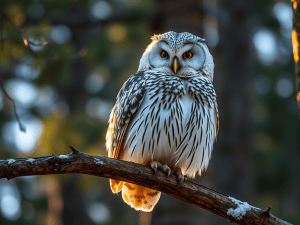
    A Boreal Owl sitting on a branch is highlighted by rays of evening sun. 
* this image is AI generated.
    A Boreal Owl sitting on a branch is highlighted by rays of evening sun. this image is AI generated.
  • The Sturgeon Bay Shipping Canal Entrance Light

    The Sturgeon Bay Shipping Canal Entrance Light

    The Photograph

    I took this photo of the Sturgeon Bay Shipping Canal Entrance Light. It was a brooding day between late winter and early spring. This is the season. Cold air masses from the Canadian shield meet warm air flowing up the Mississippi River valley. These weather systems converge into the Great Lakes region. The open waters of Lake Michigan were the battle grounds on this day.

    The red lighthouse stands out against the dark blue horizon. The navigation beacon seems intensified by the light breaking through the clouds behind it.

    This location can be a great place to witness the power of Lake Michigan during a storm. Waves crash over the lighthouse foundation and the breakwater pier.

    History of the
    Entrance Light

    The Sturgeon Bay Shipping Canal Entrance light is located at the entrance to Sturgeon Bay. You’ll find it in Wisconsin on the Door County peninsula. The lighthouse and extended breakwater was built in 1882. Its purpose was to guide vessels safely into and through the often treacherous and narrow canal entrance. This canal connects the bay to the open waters of Lake Michigan.

    The original light was lit with an oil lamp. A new lantern room was added in 1927. Over time, the light was converted to electric. In 2004 the light was fully automated and is now maintained by the U.S. Coast Guard . In 2011 the lighthouse was listed on the National Register of Historic Place. It remains an important navigational aid for ships traveling through the canal.

    This is a, don’t miss, location as you are traveling up the Door Peninsula anytime of the year.

    Photos of freighters above by Jennifer Vogler

— Anthony Bourdain