

The Kaqchikel Maya of Iximché
The Kaqchikel Maya of Iximché Guatemala are one of the largest indigenous groups in the country. Many of them live in communities in the central highlands of the country. Despite centuries of colonization, oppression, and modernization, the Kaqchikel continue to preserve their culture, traditions, and language. They still practice ancestral ceremonies and rituals at sacred Mayan sites like Iximché.
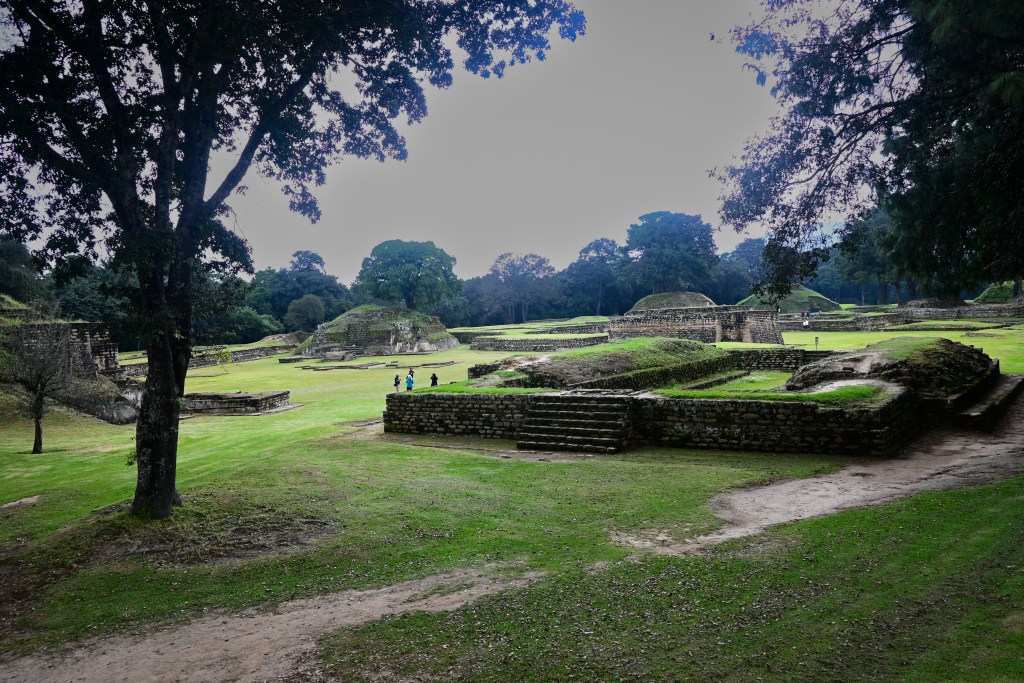
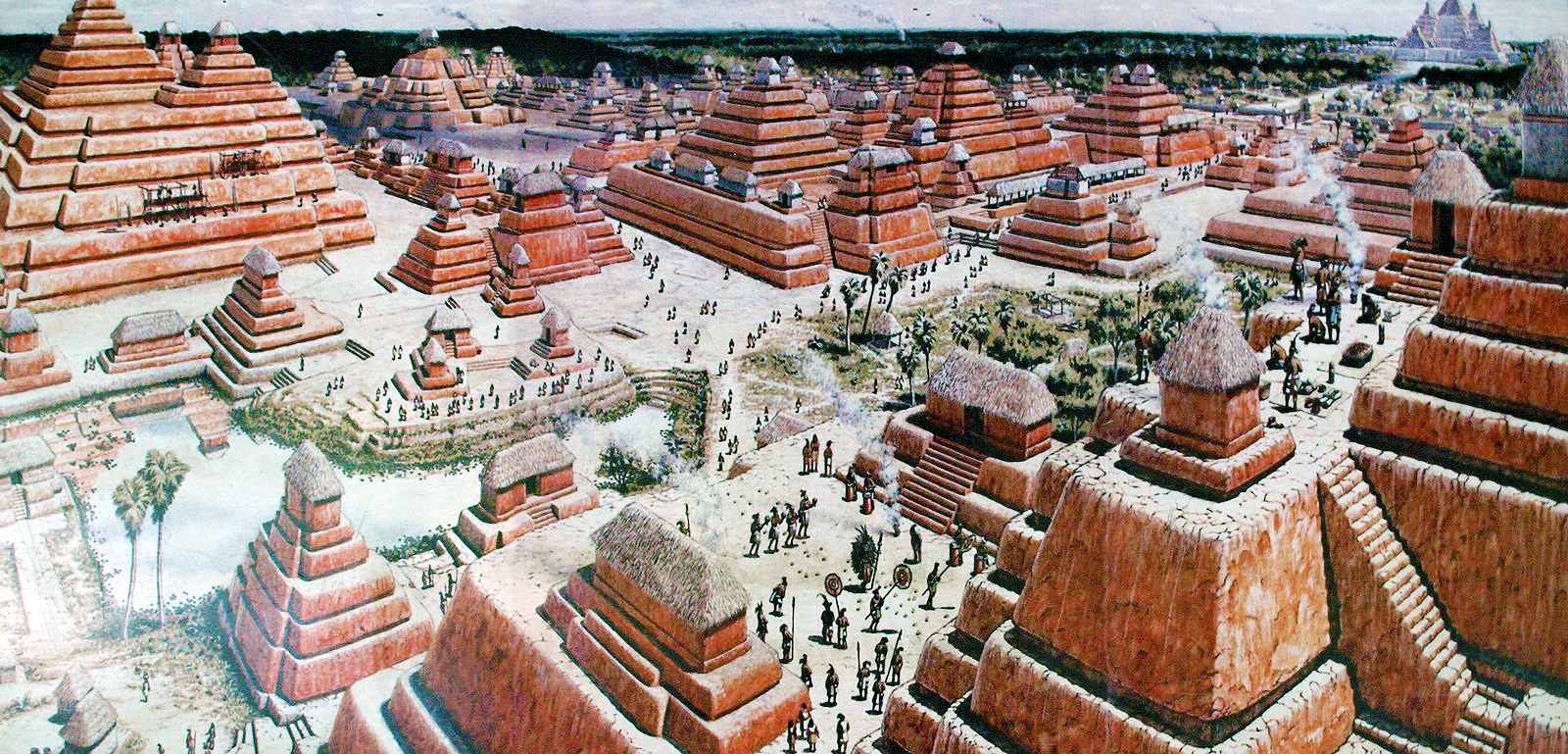
Iximché was a major Mayan city and the capital of the Kaqchikel kingdom in what is now Guatemala. It was founded around 1470 and was strategically built on a ridge to defend against rival indigenous groups. The Kaqchikel Maya of Iximché Guatemala made this place their stronghold.
Arrival of the Conquerors
The Spanish arrived in 1524. By that time, the Kaqchikel population had been decimated by smallpox. This disease was brought to Mesoamerica by the European conquerors. The Kaqchikel allied themselves with the Spanish to help fend off their enemies. However, this alliance was short-lived as the Spanish forced the Kaqchikel people into labor. The Maya rebelled and forced the occupiers to abandon Iximché in 1527. The Kaqchikel Maya of Iximché Guatemala had to abandon their capital as well. The Mayan city was left in ruins by the departing conquistadors.

Endurance
Iximché was all but forgotten until a Guatemalan historian described it in the late 17th century. Scholars visited the site a few times during the 19th century. Serious excavations of the site started in the 1940s and continued until the 1970s. In 1989, a ritual was held at the site. Its purpose was to reestablish the ruins of Iximché as a sacred place for Mayan Ceremonies. The site is a Guatemalan National Monument, crucial for the Kaqchikel Maya of Iximché Guatemala.
Today, visitors to Iximché are mostly the indigenous Maya and local Guatemalans. Very few tourists visit the ruins. Most tours for visitors wanting to see Mayan ruins go to the more famous Tikal. They also visit neighboring Yaxhá or El Mirador. El Mirador has one of the largest pyramid complexes in the world.
Portrait of Kaqchikel Woman
I was fortunate to experience the wonders of Iximché. I asked the Kaqchikel women in the featured image for permission to take her photo. Thankfully, she obliged! To me, there is a lot in this image. This stately woman has an ancestral connection to this very location. Her connection predates Columbus “discovering” the Americas in 1492. It also predates Cortez landing in Mexico in 1519. Her people survived the conquest and the myriad of diseases they brought with them. Her traditional colorful outfit is beautiful. I told her as much. She is sitting on stone steps. The Kaqchikel Maya of Iximché Guatemala laid these steps down almost a thousand years ago. They built their capital on these steps.
Look at her face, her eyes, her hands. It’s all there. She carries the ancient culture with her as a proud member of the Kaqchikel Maya of Iximché Guatemala.

This blog is a place for stories and conversations. Add your voice below – I'd love to hear it.