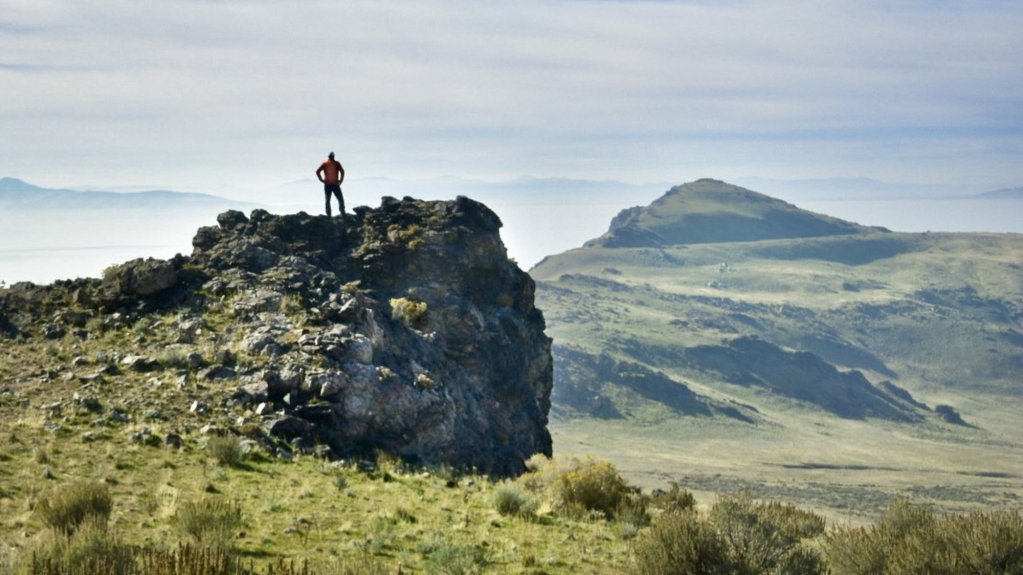
The author taking in the vista on Antelope Island, Great Salt Lake

Tag: Big Sand Lake

  • Exploring Winter Photography Composition Challenges

    Exploring Winter Photography Composition Challenges

    This is another post for the 5-Mile Radius Category. This image was taken only about 1.5 miles from my home. A trickle of a waterway exits the main lake and disappears into a large marshland. In summer, one can stand in this same spot. You can capture countless wildlife images. Winter photography composition challenges, however, are as different as the landscapes are picturesque.

    Winter in northwest Wisconsin is something altogether different. Gloomy days make dull white and gray the color palette of the season. Finding something interesting to photograph is challenging – but not impossible.

    Adapting to winter conditions as a photographer

    The Scandinavian folks have a saying, “There is no such thing as bad weather, only a bad choice of clothing.” This idea certainly holds true for venturing outdoors during a Wisconsin winter. It can also serve as a useful metaphor for winter photography composition. The winter photographer must choose a different shooting plan. Zoom in and look for the little surprises the season has to offer. Or the opposite, by using a wide angle lens to capture an ethereal landscape veiled by fog or snow.

    In a landscape where straw-colored cattails stood scrambled by the harsh winter wind. The view extended as far as I could see through my mid-range lens. By narrowing my focus, I found this composition that expresses the essence of cattails in winter. Their reflection in water mirroring the color of the sky framed by encroaching ice creates a simple yet effective composition. The muted colors of the cattails and reflected ski complement each other in a soft, satisfying way.

  • Capturing Nature: A 5-Mile Radius Photography Project in Northwest Wisconsin

    Capturing Nature: A 5-Mile Radius Photography Project in Northwest Wisconsin

    I live in northwest Wisconsin. The area is heavily shaped by the effects of the last glacial period which occurred approximately 10,000 years ago. The retreating glaciers left behind a diverse landscape of rolling hills, ridges, lakes, and an abundance of wetlands.

    A majority of lakes in the area are known as, Kettle Lakes. These are formed when large chunks of ice broke off and melted in place. The extreme weight of the glacial ice caused a depression in the earth which eventually filled with glacial water. Some of these depressions were not deep enough to become lakes. Instead, they support the widely dispersed wetlands that are common in this area.

    The outwash of the melting glaciers carved valleys that became the legendary St. Croix and Namekagon Rivers. Both are now protected by the National Scenic Riverway designation. Because I am a river rat at heart, we’ll discuss these rivers in more detail in future posts.

    The post-glacial geography of northwest Wisconsin features water-rich lowlands. It also has forested uplands. The terrain includes both sandy and rocky areas. This creates a diverse and ecologically important landscape. It’s also great for photography and amateur nature science nerds like me.

    I want to share this amazing area with you, so I am developing a portfolio of images. These images will be gathered within a five mile radius of my home. The majority of images will come from my walks in the “neighborhood.” The images will be curated into Category titled, 5-Mile Radius.

    Some examples of images taken the first week of the new year:

— Matsuo Bashō